Chris Auman’s Blog

Birth of the Uncool

IPA logo

Wondering how to start a band? I can offer advice on that topic. I’ve done it a handful of times. It’s not hard. Want a successful career in music? Don’t look at me. I’ve always existed on the fringes of the underground. But what I do know is this: if you want to have a successful career in the music business, you gotta start somewhere. For me, that somewhere was The Instant Prehistoric Animals, my first band.

Under the Ground

The undergound is where I’m likely to stay and that’s fine, after all, I never wanted to play music for money or even for the nookie like that ’90s nu metal band suggested. I do what I do (make music, publish zines, draw comics) as a form of creative expression. This should be obvious, but sometimes it needs to be stated.

My motives for wanting to play music today are the same as they were in 1986 when I formed my first band with my best friend. In addition to providing an outlet for creative expression, I had the desire to emulate my heroes in bands like The Clash, The Replacements, Hüsker Dü, and too many more to mention.

Off the Radar

At this point in our cultural history, being in a band is a right of passage. With the internet, it’s easier than ever to record and release music. In the mid 1980s in rural Illinois, however, there were many challenges. In my small town of Galena, there were no record stores to buy music or music venues to play it. For records, we had to cross the Mississippi River into Iowa where you would find the retail music chain Musicland at the Kennedy Mall or maybe a smaller independent store that managed to exist for a year of two. Bands that played original music were unheard of.

All this was fine until a certain point in the mid 1980s when a switch flipped inside my brain and I went from a Men at Work and Queen-loving tween to a Pretenders, Cars, and Psychedelic Furs loving teen. It was a short hop from there to college rock staples like The Smiths and REM and from there it was all punk rock with the Sex Pistols, The Clash, Descendents, Minor Threat, Dead Kennedy’s, Dead Milkmen, T.S.O.L. and a slew of SST bands — I could go on.

Out in the Sticks

Out there in the sticks, small glimmers of alternative music and counterculture could be glimpsed. Oddly enough, the import bins of some records shops offered domestic releases from indie labels. Stops in Madison, Wisconsin on family trips allowed me to visit the records stores located on both sides of State Street.

Another seemingly unlikely place to tap into alternative culture was the video tape kiosk at Ron’s Gas Station in Galena which rented movies like Repo Man, Fritz the Cat, Eraser Head and Toxic Avenger. A few of us (very few) had shitty skateboards.

Even so, finding good music, films, and zines wasn’t easy and the opportunity to see live music was rare, even more so for underage kids. Therefore, it was a total life changer when a tiny display ad in Cream magazine prompted me to send 50 cents to the Toxic Shock Mail order company in Pomona, California.

After studying their entire catalog and relying on my recollection of bands I’d heard about, but probably more on the descriptions of the releases offered, I chose three albums. What a thrill to receive those three records in the mail: Hüsker Dü, New Day Rising, The Replacements Sorry Ma and Hootenanny. Along with Soul Asylum, these bands formed the holy trilogy of Twin Cities punk rock.

My First Guitar

By the time I was 15, my desire to form a band grew daily. It took over my brain, in fact. My best friend, Toby, was all in on the idea too, but we both needed guitars.

Toby gots his first, a magenta-colored Kramer — a Christmas gift from his dad in Chicago. Toby’s older brother, who lived in Chicago too, already caught the guitar bug. He was proficient at playing Metallica and hardcore punk riffs. He would stick with it and eventually join the band Trenchmouth.

About four months after Toby got his axe, I had my own guitar. I used birthday money to acquire a Fender Lead II and an Ampeg Gemini I amp. I bought it from the father of a kid who went to my high school who had lost interest in it. $150 bucks for both. It was a sweet deal. It was a right-handed guitar but I strung it lefty and was soon on my way to learning how to play guitar completely backwards.

Geetar Wizardry

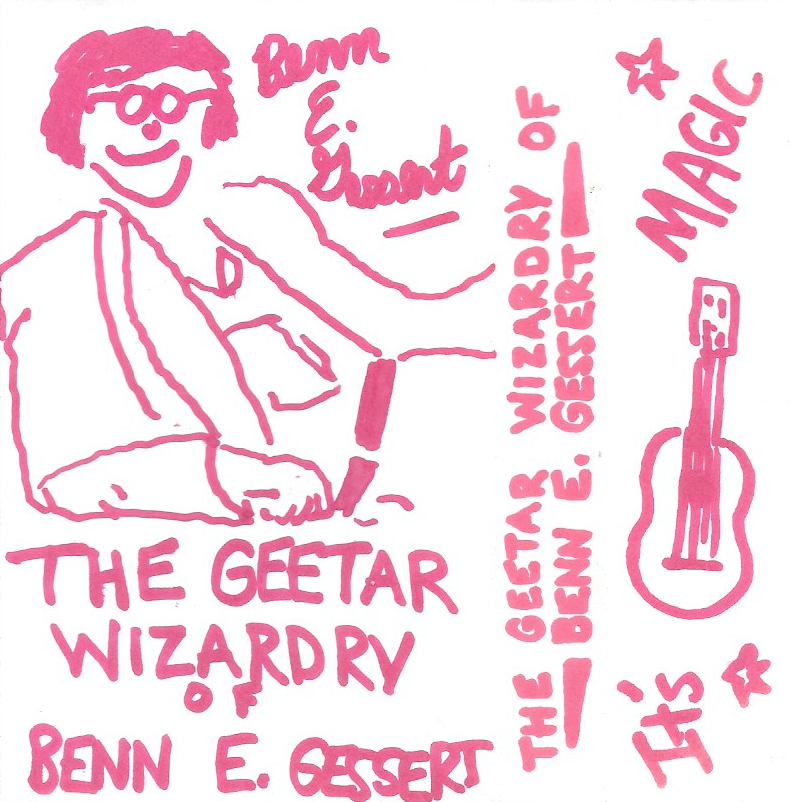
The Geetar Wizardry of Benn E. Gessert album cover
Album cover drawn on the back of MJ’s Thriller cassette j-card

Guitar in hand, I immediately started writing songs. Not good ones, mind you, and not even songs, really. More like scraps of ideas executed poorly. As soon as I came up with any type of crude riff, I’d record it. Before long, I cut my first record under the name of Benn E. Gessert, a nod to Dune (an intimidating book that I would start many times before eventually finishing decades later).

My debut music release was titled The Geetar Wizardry of Benn E. Gessert and was recorded over top of a Michael Jackson Thriller cassette. (This was done by putting tape over what are called “write-project tabs.” This allows you to press the record button on a tape player and record over a cassette. In contrast, blank tapes have a small plastic flap over these tabs which you can break off if you don’t want to inadvertently record over your mix tape.)

IPA logo

Birth of the Dinosaurs

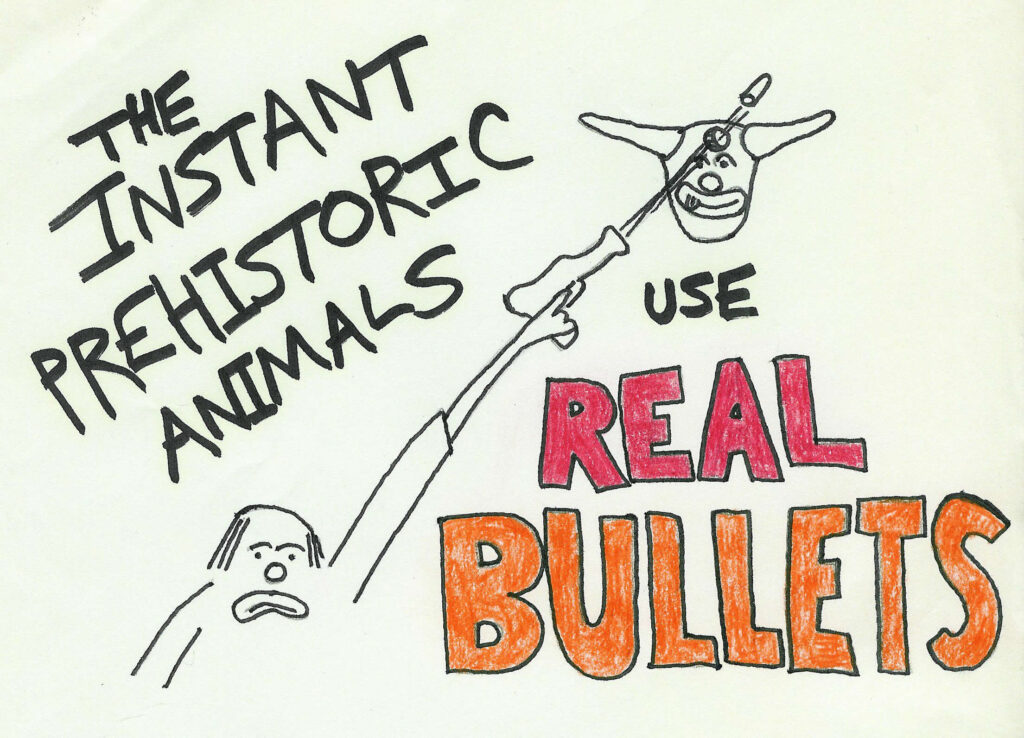
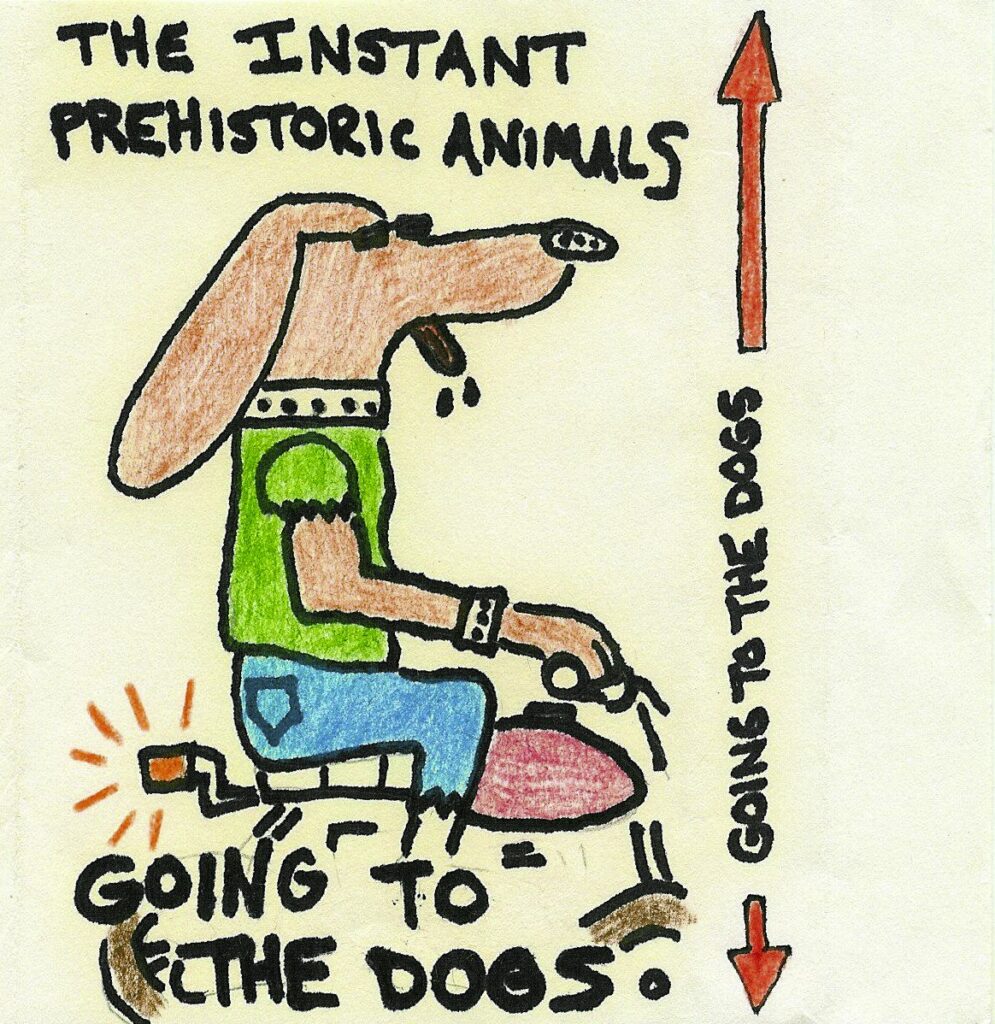
The Instant Prehistoric Animals, or IPA as we were more commonly called, formed in 1987, or at least that’s when we came up with the name. “Instant Prehistoric” toys were little capsules, that when soaked in water, expanded to form spongy dinosaurs. 

After putting together a few songs with just our two electric guitars, we tried recruiting a few friends to join the band.

Our classmate, Ted (a future Sheriff of Jo Davies County) was going to be our bass player. Even though he never got around to acquiring a bass, Ted remains an honorary member of IPA. Our buddy Chad, a friend since grade school, was next on the list of potential bass players. We went so far as to rent a bass and amp for a weekend so he could try it out. Ultimately, he chose the banjo instead, putting him firmly out of the running for a spot in IPA.

Instant Prehistoric capsule packaging

We decided to deal with bass later and instead focused on filling the drummer’s throne. Our friend Dave, a top high school athlete and honor student, was recruited for the spot. He played drums in our high school’s marching band and had his own kit.

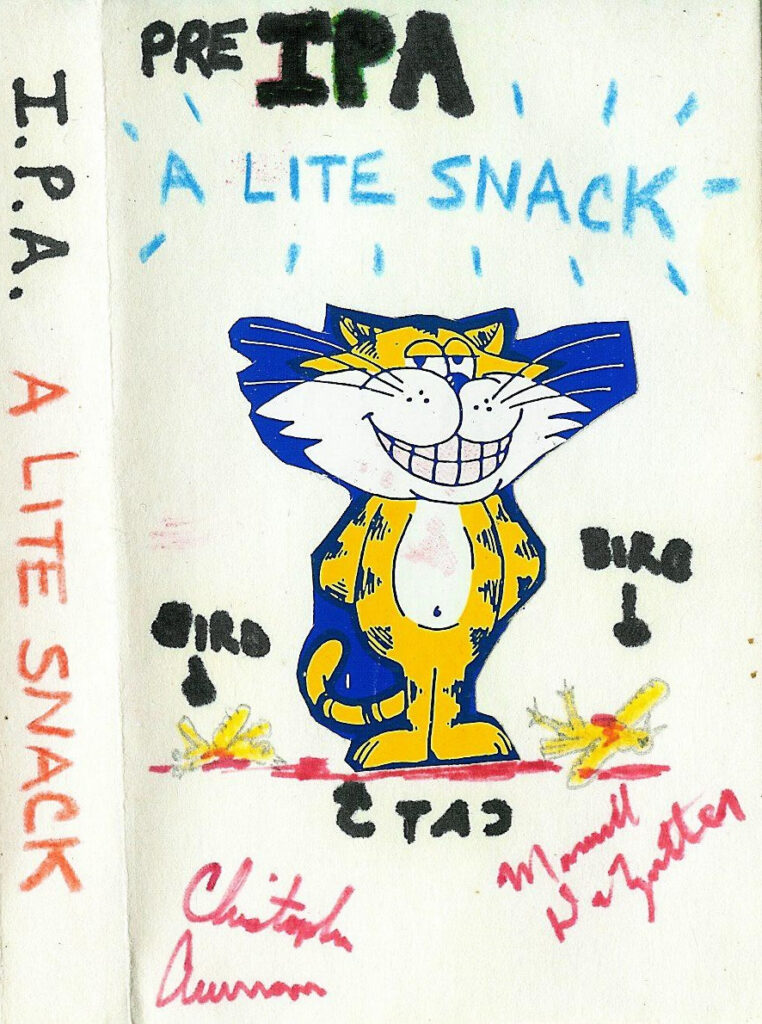
We began as a three piece playing in a spare room of Dave’s house on Broadway Street. It was here that we recorded our first EP, Minor, Cuts, Scrapes and Burns. Toby and I had already made a tape of song ideas that we called A Lite Snack. The songs on this cassette are as crude as our ability to play our instruments at the time, but there were seconds of brilliance on them, or so we thought. We listened to that tape repeatedly on the cassette player of Toby’s family’s Renault Alliance.

All About That Bass

A Lite Snack cassette cover is a lesson in how to start a band.
A Lite Snack cassette cover, 1987.

Our bass dilemma was solved with the arrival of Jeff. Jeff was a transplant to Galena by way of Las Vegas, and Dundee, Illinois before that. His mom had moved to Galena to open an antique store and Jeff ollowed.

Jeff was 24, at least six years older than the rest of us. I’m not sure how I found out Jeff was into punk rock or played music. He worked at a gas station that sold beer. I think he had been convinced to sell it to a few of my female friends. However it happened, it was a lucky break for us, because Jeff was a bassist. In fact, he once played in a punk band in Las Vegas that opened for T.S.O.L. We were big fans of their Dance With Me album and T.S.O.L. EP.

Toby and I went into the gas station where Jeff worked and introduced ourselves and asked him to join our band. Amazingly, he said yes.

Jeff had a vast collection of punk rock vinyl. I borrowed and taped as much as I could.

I don’t really know how he felt about playing with a group of 17-year-old high school kids. He didn’t always show up to practice if that’s any indication, but he wrote songs and could play scales and had actually been out there in the real world beyond our small town.

Chris playing guitar
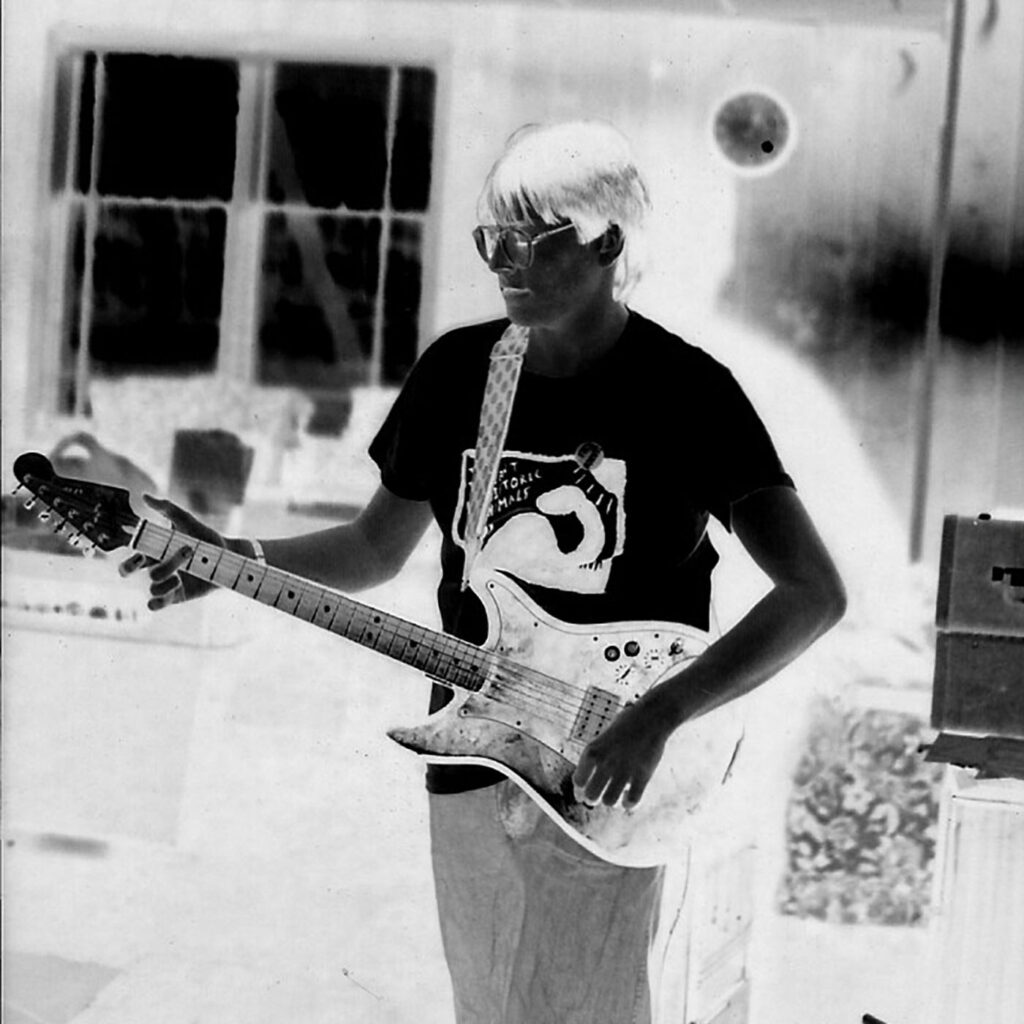
Me and my Fender II, note the IPA t-shirt.

Band Practice

As a four-piece band, we moved on from the smaller space in Dave’s house to our friend Rob’s basement. It wasn’t really a basement, it was the first floor of a store front that formerly housed Rob’s dad’s TV repair shop. We called it the basement because Rob’s family live on the second floor. The store was gone by this point and the space was a great hangout spot with a (very shitty) pool table and fridge. It was our own pool hall and was always stocked with junk food. We spent a lot of time at Rob’s house playing pool and listening to metal when we weren’t driving around town in our friend Swede’s Dodge Aries. 

The Music

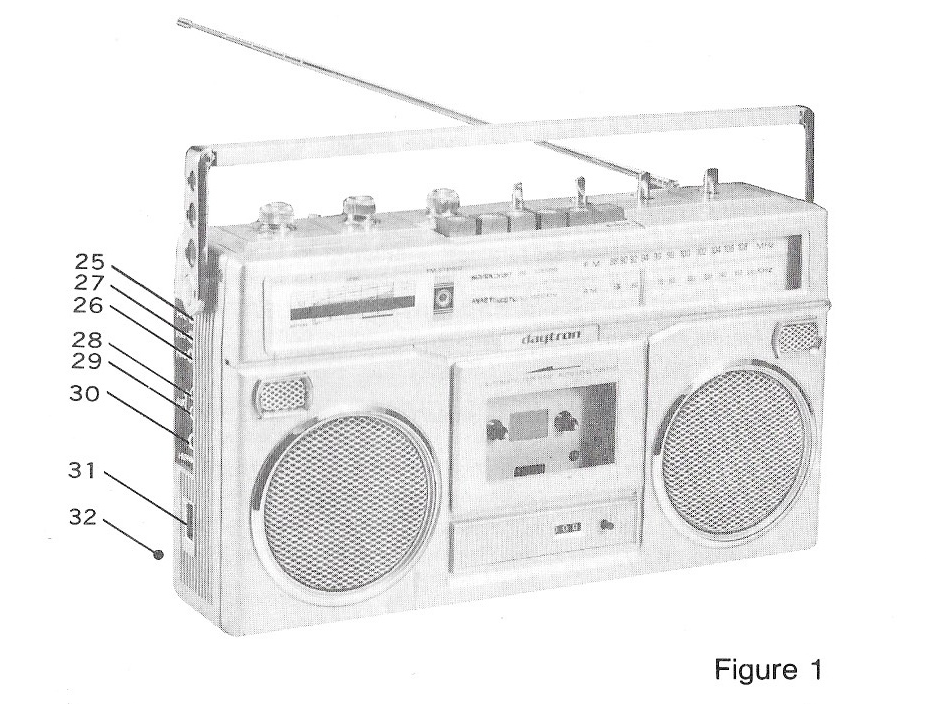
Photo of a 1980s boombox

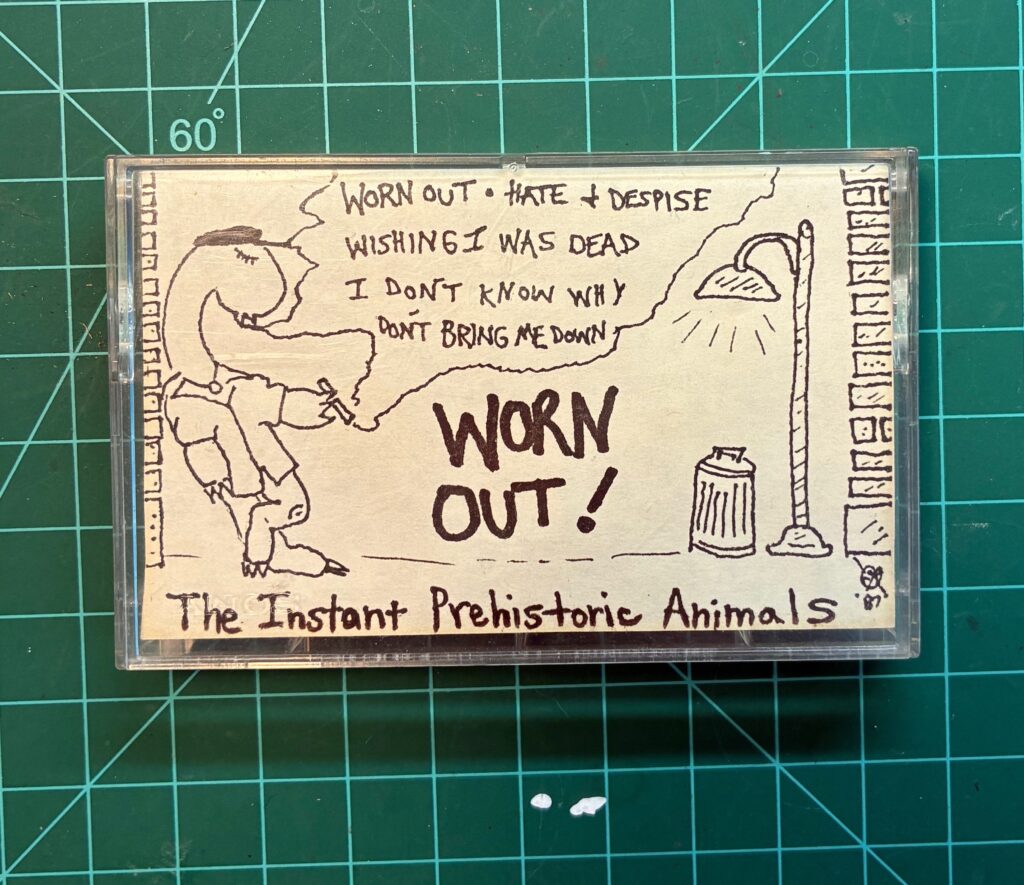
Like many teenaged songwriters, I leaned heavily towards depressingly morose songs with morbid lyrics. (My song “Wishing I Was Dead” is a great example). Even though I’ve held on to much of my creative output over the years, no matter how cringe inducing it is, I have long since purged the scraps of paper that contained those early angst-ridden, juvenile lyrics.

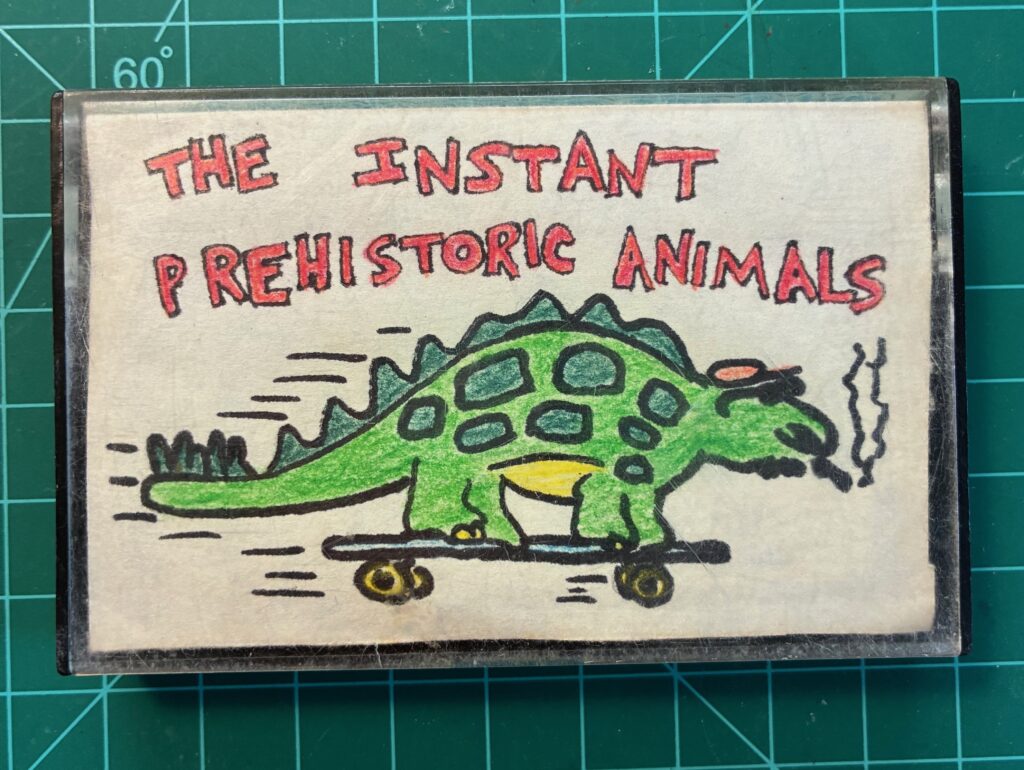
Once we had a handful of songs ready, we recorded them either on my Daytron cassette player or Rob’s fancier boombox. I designed the album covers and dubbed copies to give to our friends. I was proud and excited about those crudely recorded, shitty sounding tapes — probably more so than anything I’ve done creatively since. I loved making the album covers and writing out song titles and lyric sheets and I loved listening to the music we made, even though we were rank amateurs and the production values were non existent.

The End of the Band

The Instant Prehistoric Animals didn’t get together much after high school graduation. Toby, Jeff, and I were all employed full time at the Galena Territory Golf Resort as a bellman, bartender, and dishwasher, respectively. Dave was a life guard at the municipal pool. We were busy that summer and as college loomed, there didn’t seem much point in it.

We got together at least one more time to record a song Jeff wrote for a coworker he was crushing on. We learned it and recorded it in an afternoon. I have no idea what this woman’s reaction was when she heard it, but I don’t think it led to any sort of romantic entaglement.

At summer’s end, Dave left to play football at Northwestern. Toby, who opted to start using his given first name of Max, left for Earlham College in Richmond, Indiana. I took my Fender Lead II and a Gorilla practice amp to a dorm room at DePaul University in Chicago where I would almost immediately fall in with a bunch of like-minded kids who would make our own attempt at rock and roll immortality with a band called MotherSratcher, but that’s another tale.

IPA Lives

Incidentally, the year after college, we were all back living and working in Galena for the summer. After our jobs at various restaurants, we would invariably end up at a place we called The Spot. The Spot an outdoor wooden platform on the grounds of General Ulysses S. Grant’s preCivil war home. It was in an open field, but couldn’t be viewed from Bouthillier Street. And it had a great view of downtown Galena.

One night after walking the short distance from the street to our hangout, we discovered a pair of high school girls occupying our place. We struck up a conversation with them and asked what bands they listened to, never thinking in a million years one of those bands would IPA, but it was. Somehow copies of those cassettes survived and were passed down to a new generation of teenagers.

Why Start a Band?

Our band was a great learning experience. It was something we did outside of school. It was outside of any other organization and outside of the family. There were no teachers, coaches, or parents to tell us what to do or how not to do it.

Our skill levels as musicians remained rudimentary at best, but we never let that stop us from practicing, writing songs, and recording and “releasing” tapes. My sister, who had gone off to school a year before me, got a song of ours played on her friend’s college radio show in Bloomington, IL. That was huge. We did everything we could do as a band in our small town environment. There’s no doubt we were the only punk rock band in town, maybe the only band playing original songs, period.

Blasting the Past

I was reminded of all this when earlier this year, I dug out my old IPA cassettes and digitized them. While listening to these tapes, I remembered every note, right or wrong. I recalled the pre-song banter and every failed take. Looking at the album covers, I was reminded of how proud I was of what we did. These dubbed cassettes with photocopied j-cards gave me as much joy and sense of accomplishment then as any of the dozen of releases I’ve been a part of since. Nothing has equalled those early days of discovery.

MotherScratcher logo

My college band, MotherScratcher, never developed into anything beyond the walls of the dorm, and it would be a few years of failed attempts before I was in another functioning music project with Team Satan in 1995. For the next 17 years I was heavily involved in music. Reagan National Crash Diet followed and then Soft Targets. I was able to continue my love for writing, playing, and recording music and for creating album art as well as booking shows, short tours, and starting my own record label which I did with RoosterCow Records in 2001.

Postscript

In 2012, I moved to Madison, Wisconsin. I was tired of the big city, where I’d spent the previous 24 years. I needed a change. Madison has always occupied a special place in my consciousness, due to the many early music discoveries I made there on State Street as a teenager. I formed Empire Smalls there as a solo project. Once I moved back to Chicago in 2015, after a few false starts, I expanded it to a 3-piece with old friends Tim Davison and Mike Dixon.

Empire Smalls logo

This incarnation of the band played in the basement of our house in Portage Park. We hung out, talked, played music, and drank (probably too much) beer. It was a return to those early days in Rob’s basement in Galena. We recorded a full-length record during COVID and had enough leftover tunes for a follow-up EP.

When Tim moved to North Carolina, we attempted to replace him, but ultimately decided to disband. Now, I’m back to making solo recordings, but on a laptop computer instead of my trusty old cassette player. Things have come full circle and that feels right to me. I’m not saying I will never play in a band again or take the stage to present my songs to the public, but there’s a good chance I won’t, and I’m OK with that.

[Visit my music page]

Men At Work Album Review

The following Men at Work album reviews were published in Used Records & Tapes #1 and #2 [RoosterCow Press]

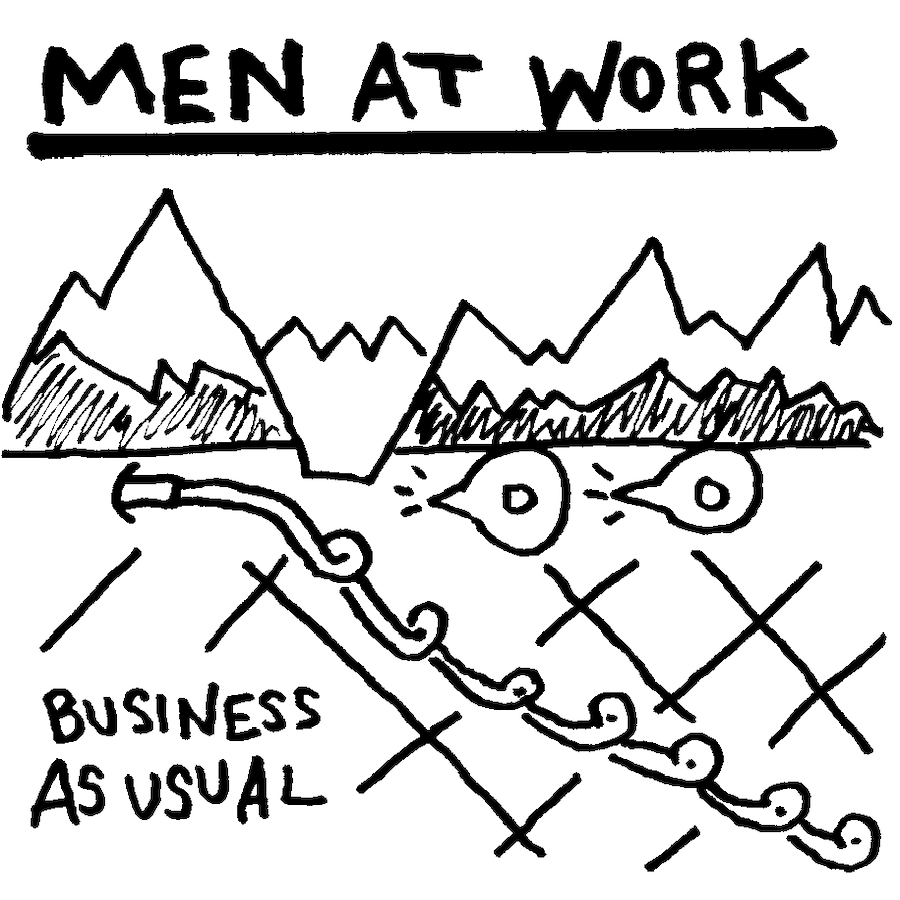
Business as Usual album cover drawing

Men at Work Album Review: Business as Usual

For some reason, saxophones were completely acceptable in the 1980s. Socially, musically, thematically, perhaps inexplicably they were completely, totally acceptable to have in your band and on your records. Just ask the Psychedelic Furs or Romeo Void—hell, ask The Boss! You can certainly ask Men at Work. M@W gave us plenty of woodwind to think about and offered us some very typical ‘80s cover art on their debut album, Business as Usual.

The record cover leaves little to be desired. Black and yellow and white. Not quite as colorful as a Culture Club cover. Perhaps CBS was trying to save on production costs. They certainly didn’t expect these Aussies to break as big as they did, even as they had them out on the road supporting Fleetwood Mac. Break they did, however.

Business is full of catchy pop songs that capitalize on two central themes of ‘80s music: reggae and alienation. Colin Hay’s deadpan vocal delivery, and the Scotsman’s rolling Rs, helped define the band as quirky and endearing and certainly played up their image as zany Aussies.

Who Can It Be Now?

“Who Can it Be Now” was a smash hit, as was “Be Good Johnny,” with its title sung repetitively as Colin’s voice strained. “Down Under” was of course the monster hit. Only Ian Anderson could rock a flute as hard as Greg Ham. Even if the Men were accused (and found guilty) of stealing it from an Australian nursery rhyme, that flute line remains an iconic part of ‘80s popular music.

The Business album also contains a standard android-themed song, “Helpless Automaton”. “Down By the Sea” is a great tune, but it never would have cut it as a single and, wisely, it wasn’t released as one.

The Men went to work on a follow up, releasing Cargo a year later. However, earning “Best New Artist of 1982” accolades was the kiss of death, according to Colin, and they never would duplicate the chart-topping success of their debut. Men at Work continued on over the decades in various incarnations. Greg Ham took his own life in 2012. His friends, including Hay, believe the major cause of his unhappiness stemmed from the 2009 copyright infringement suit brought against the band for the song “Down Under.”

Men at Work also enjoyed the honor of having a photograph of them cut out of a magazine and taped to the inside of my locker in 7th Grade, although it is almost certain they were unaware of this.

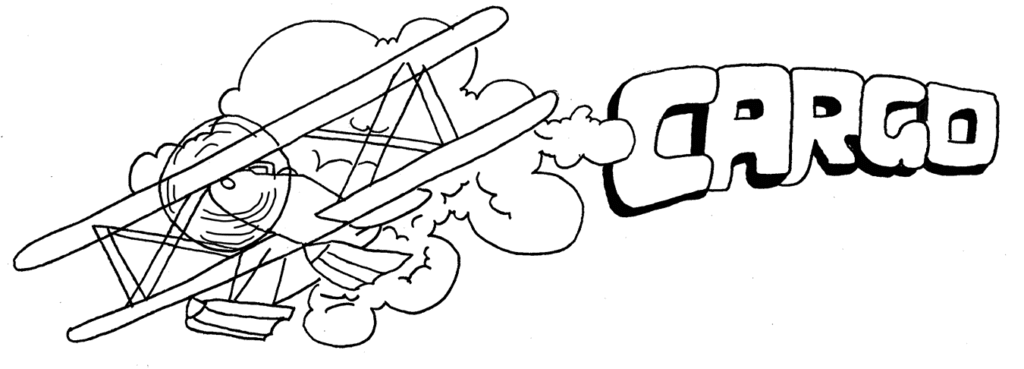
Men at Work Cargo logo

Men at Work Album Review: Cargo

I was a fan of Men at Work in ‘82 and ‘83. After Queen, they were probably my favorite band in junior high school. The “Down Under” single was one of the first 45s I ever bought. In my 8th-grade homeroom class (taught by Mrs. Popp, no lie [see Culture Club review in this issue]), we all got to bring in singles every Friday to play for the class. We could only play one side. I brought in “Down Under” but spun the b-side, “Crazy” instead. You could hear “Down Under” on the radio 24 times a day, but I wanted to turn a few tween heads onto the other sounds of Men at Work.

The Kiss of Death

If you bought a copy of Used Records and Tapes #1 then you may have skimmed my review of Men at Work’s debut album Business as Usual. It was a monster hit for these Aussie lads at the dawn of the ‘80s. The album won them a Grammy in 1982 for “Best New Artist” (aka “The Kiss of Death,” according to singer/guitarist Colin Hay). It was all downhill from there. There was Cargo though.

What the Business album cover lacked in color, Cargo more than made up for, thanks no doubt to a bigger production budget. Released in April of 1983, the album would climb to number one in that band’s home country/continent, number two in New Zealand, and number three in the States. Some critics at the time thought it dull and the songwriting weak compared to its predecessor, but that didn’t hurt sales.

The ten-song album features four singles, one of which is the lead-off track, “Dr. Heckyll and Mr. Jive.” It’s a decent enough tune, but not on par with any of the hits of its predecessor. “Overkill,” another single, follows. It’s a mid-tempo rocker featuring Greg Ham’s sax and Colin’s vocals building up into a strained crescendo in typical M@W fashion. The third track is the non-single non-Hay-written tune “Settle Down My Boy” written by guitarist Ron Strykert who sings lead. It’s a nice break before a few filler tunes run out the first side.

Make No Mistake

Side two kicks off with the third single, “It’s a Mistake,” which rights the ship somewhat. It’s a war tune (presumably anti-) contemplating the end of the Cold War and features a cool ascending/descending guitar solo and then the predictable buildup to the end. “High Wire,” the third single, is a meandering song featuring a very 80s-sounding chorus.

“I Like To,” written by Strykert and sung by Ham sounds like an Adam Ant song but without a good hook, cool percussion, or originality. “No Restrictions” is another filler track that ends the album. It’s got blasts of flute but is otherwise forgettable.

Again, not the same caliber of stuff that made Business resonate with the public even though it did make the cash registers ring. The best of a batch couldn’t overcome the mediocre stuff and it signaled the end of the Men’s career as hitmakers.

Cargo would be followed by Two Hearts in ‘85. That album was met with the critical and commercial disappointment it almost surely deserved.

More Reviews

Read my reviews of albums by The Police, The Cars, Falco, and more!

70s Supergroup: Matty Lou’s Home-Cooked Chicken Dinner

Matty Lou band

70s Supergroup

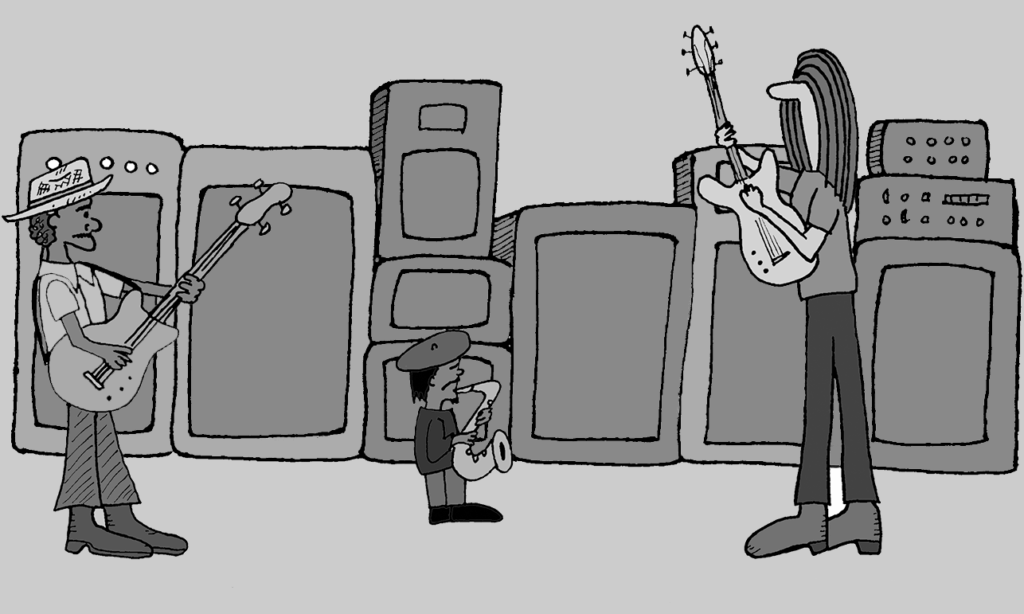
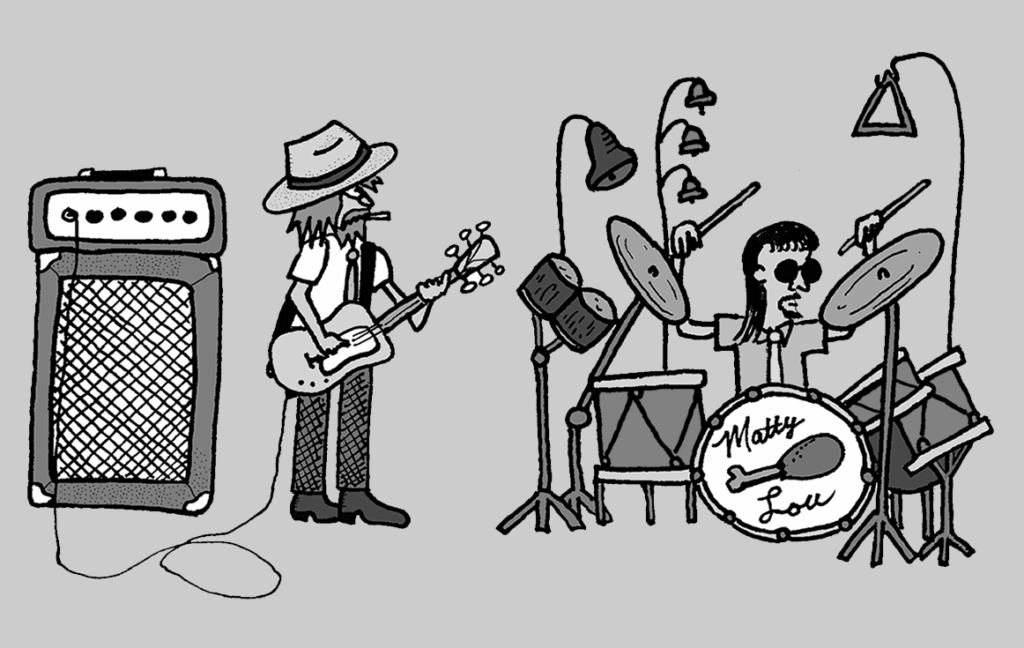
The 1970s were a time for excess in all areas. Rock music was not exception. An often overlooked, if not completely forgotten 70s supergroup is Matty Lou’s Home-Cooked Chicken Dinner. This band was the most ambitious supergroup in the history of American popular music. The band featured members of mega-70s rock acts Moot Whistle Express, Franken-Funk, J.P. & the All-Star White Boy Jam Band, Heavy Whipping Cream, and Blues Smashers featuring Johnny Bricks.

The convergence of enormous egos, prolific drug-taking, and alcohol binges combined with an abundance of sexually transmitted diseases, not to mention the logistical nightmare of recording and touring with a band this size, made MLHCD the obvious candidate for “Worst Idea in Music History,” which it most definitely was.

70s supergroup, the Matty Lou band

Origin

The idea for the group formed when five of the biggest blues-based, funk-inspired bands of the ‘70s toured together on the Southern Fried Music Festival circuit in the summer of 1975. After one late night/early morning party/jam session over several cases of whisky and far too many lines of foo-foo dust, various band members and managers thought it would be a good idea to put together the biggest rock and roll supergroup ever assembled. 

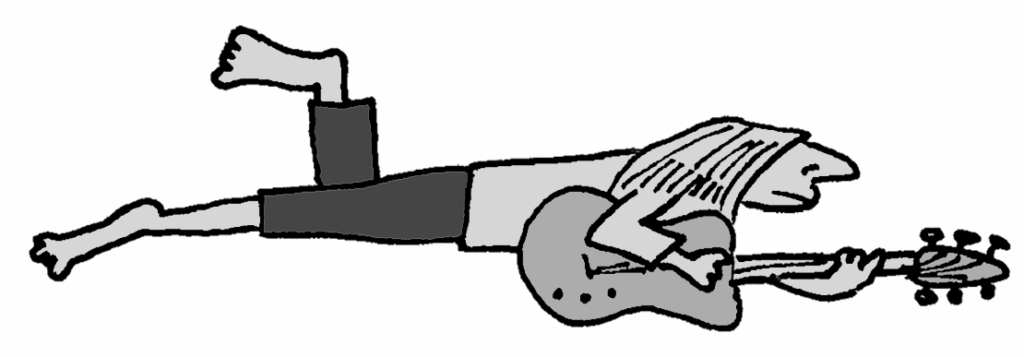
Guitarist Johnny Bricks of 70s supergroup fame
Johnny Bricks

Tragedy

The MLHCD band featured 15 lead guitarists, 10 rhythm guitarists, five drummers, five bass players, a 25-piece horn section, five keyboardists, 13 harmonica players, and seven theremin players in addition to a giant entourage of groupies, accountants, lawyers, drug dealers, and spiritual advisors. 

The combined assemblage of musicians, groupies, managers, crew, and assorted hangers-on numbered in the hundreds. This all led to tragedy one August night in Chattanooga, TN when the stage collapsed under the collective weight of the band and its equipment. Similar incidents occurred in Tallahassee, FL, Birmingham, AL, and Jackson, MS, which resulted in the death of the entire theremin section, an occurrence not noticed until three shows later in Tupelo, MS.

Splintering off of 70s Supergroup

Construction on the massive multi-million dollar studio necessary to record the band was underway in early ‘76, but the infighting among a dozen or so factions within the supergroup led to it breaking up into several sub supergroups. Eventually, most members returned to their original bands with some misplaced members ending up in different bands either by accident or on purpose.

The group failed to record or play more than a handful of shows and its biggest individual stars are barely footnotes1 in musical history today.

Footnotes

1Johnny Bricks, Anthony “Too Tall Tony” Jackson, Ricky Lee McDonough, Little Peabody, Buddy Rivers, Rudy St. Cloud, Guitar Smyth, Mae-Mae McRae, Buck Wednesday, Little Z., Big Oak Johnson, Blind Turnip Jackson, Deaf Willy McGreif, Sassafras Jones, Lil Petes, Alice Chong, Suzie Gronkowski, Shorty Johnson, Junior Parcells, Quinten “Cornbread” Williams, Shady Lane, Renée LeTurk, Cheri “Cola” Collins, Lovey Daniels, Gordo Lopez, Tio Rodriguez, Shelly “Longhair” Rosenstein, J.P. Lamar, Roosevelt Jones, Orenthal “Big Duck” Freedman, Maria Del Fuego, Abner Brown, Whitey Black, Sonny Boy Buckner, Cletus Keester, Turnipseed Thompson, Young Willy, Leon Theremin, Jr.

More Forgotten Music Masters

If you enjoyed reading about this 70s supergroup, perhaps you’ll enjoy this entry on Emo Rapper ‘Lil Magneezy.

Forgotten Music Masters

This Matty Lou’s Home-Cooked Chicken Dinner bio was originally published in Forgotten Music Masters which is still available for purchase.

Modern Fables

Aesop may have fabricated ancient parables and old timey allegories, but for modern fables, you better let the Reglar Wiglar take care of that. Here is a cautionary tale about not being nice to your server. It’s called…

The Server and the Ass

Servers dumps a bowl of noodles

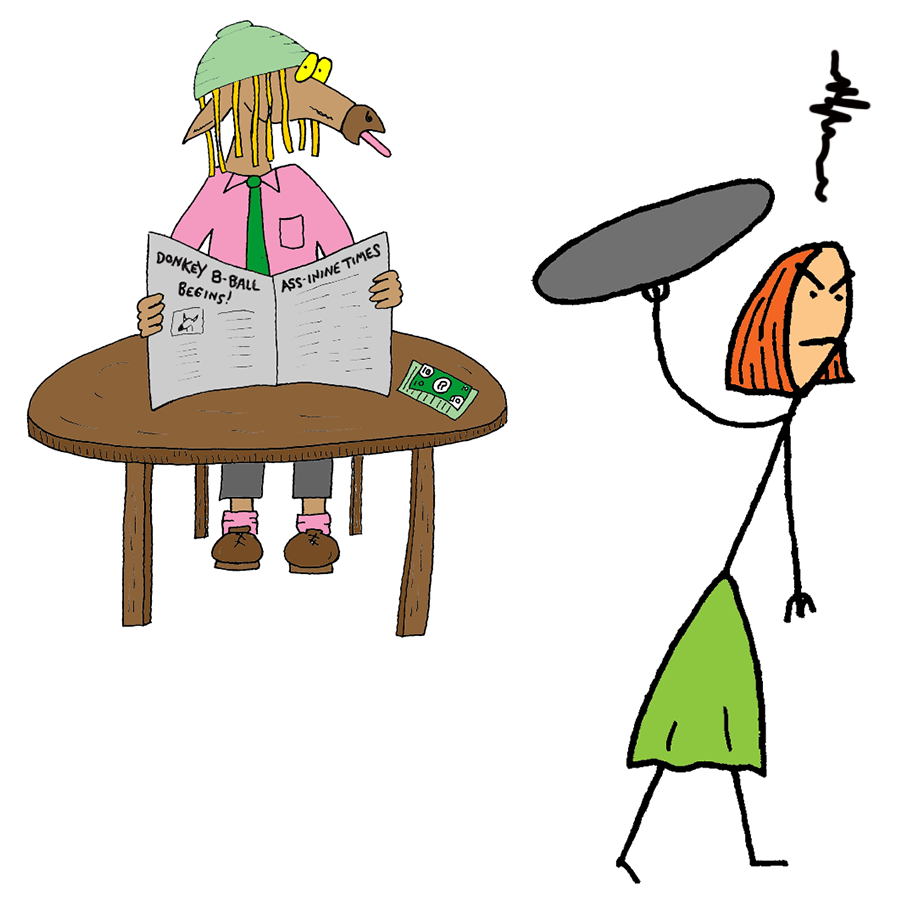
One day an ass dined at a local eatery. He ordered his meal with many substitutions and special instructions and was irritated when it was not prepared to his exact specifications. The ass also asked for many complimentary refills of his beverage and sent the server on countless errands to fetch various seasonings and condiments. 

The ass’s many demands kept the server quite busy and forced her to neglect the needs of her other customers. After the ass finished, leaving not one crumb on his plate, he demanded a discount on his meal. “This meal was a disappointment,” said the ass to the server, “and I believe some form of restitution is in order.” The server gave the man his check for nine dollars and ninety cents. 

This meal was a disappointment. I believe some form of restitution is in order.

— The Ass

The ass placed a ten-dollar bill on the table and began to read his newspaper. The server glanced at the money as she passed by on her way to deliver a bowl of hot noodles to another table. The ass, noticing the look of dejection on her face, said, “Do not be shocked, young lady, tipping is at the discretion of the customer.”

“Yes, but so is this,” replied the server as she dumped the bowl of hot noodles on the ass’s head.

MORAL: Don’t be an ass to your server.

Read more modern fables

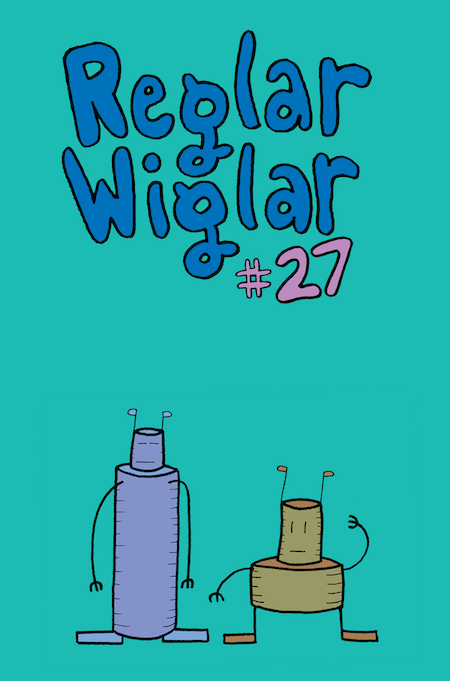
Reglar Wiglar #27 cover

The “Server and the Ass” was originally published in Reglar Wiglar #27, copies of which are available from my online shop. If you enjoyed this ridiculous articles, there’s plenty more like it on my blog.

RoosterCow Distro Update

RoosterCow Press 2025 comics and zines

The RoosterCow Distro ends, and a new era begins!

New RoosterCow HQ

Perhaps the biggest news ‘round here is that RoosterCow HQ has moved. As much as I enjoyed living in Portage Park (shoutouts to Howling Pages and Tone Deaf Records) a change of scenery was in order.

And, after eight years of owning a 125-year-old home, it is a relief not worrying about a leaky this or that, or lawn mowing, or weeding, and especially snow shoveling.

At any rate, we are back east of the Chicago River. In fact, my partner Sarah and I, along with Snippet the Whippet, live on the east bank of the river which brings an interesting mix of insects, nocturnal animals, and an occasional blast of stinky river stench.

Speaking of comics and zines, the RoosterCow store has moved as well. The Moving Sale is now the Moved Sale. Take advantage of up to 50% off select items. Every order will receive a copy of my new publication You’re Doing It Wrong & Other Poems which is not available anywhere else on the planet.

But wait, there’s more! For a limited time, orders over $25 will include a Sssnakes!!! Case featuring all 5 issues of my Sssnakes!!! mini comic plus a plastic snake friend. Plastic lasts forever!

This is a fantastic deal, but you must ACT NOW!

Anti-Social Media

If anyone has wondered where I have been for the past five months or so, at least on the socials, allow me to explain. I needed to take a step back from social media for the same reasons we all do from time to time. I hope that explains it.

At any rate, I hope to begin posting on the reg soon. If you’re so inclined, you can follow me @chris.auman on the Instagram.

That said, the best way to stay informed about new releases is by signing up to the RoosterCow Newsletter. It’s quarterly and sometimes less than that.

Broken roostercow and super glue

RoosterCow Goes Broke

The RoosterCow has gone broke. Don’t worry, it will be glued back together again! Sadly, this is what happens when you take a plunge off a 3-foot shelf onto a hardwood floor… and you’re made of plastic.

Panic at the RoosterCow Distro

As a result of the move mentioned above, the past six months have been a time of paring down, minimizing, and getting rid of stuff. It’s one of the reasons I decided to shutter the RoosterCow Distro and make changes to the RoosterCow Store.

Running the store for the past three years has been a great learning experience. It was a pleasure working with so many talented creators and publishers. It was a challenge and I enjoyed it, but, as I often do, I spread myself too thin and needed to pull back a bit. For the time being, I will be focusing on making stuff and spending less time on the hustle of selling comics and zines.

Used Records & Tapes zine

The End of Used Records & Tapes

Another ending! UR&T was perhaps the most popular and the most successful RoosterCow project. By successful I mean that each issue broke even. Of course, we’re talking success by zine standards. That means small print runs selling in a handful of brick and mortar outlets and through a few websites. By any measure, it was a success in my eyes and I am grateful for it. It was a great experience, but I don’t think I can maintain the enthusiasm going forward. So, thank you to all contributors. If you’re hankering to read some reviews, I’ve been posted a few of them on this website’s blog.

Also, this doesn’t mean it’s the 100% end of the project. I could get the itch again and maybe an anthology with new entries could happen in the future, who knows. It would eliminate the need to keep all five issues in print. For now UR&T #1 is out of print, but there are still copies of the other issues available.

Thanks for reading this RoosterCow Distro update!

RoosterCow Logo

Links

Visit the new home for the RoosterCow Store.

Visit the RoosterCow eBay Store for international orders.

Download and stream music from the RoosterCow Bandcamp page.

And… always Reglar Wiglar!