by Harry Bloomers, Famous Literary Critic
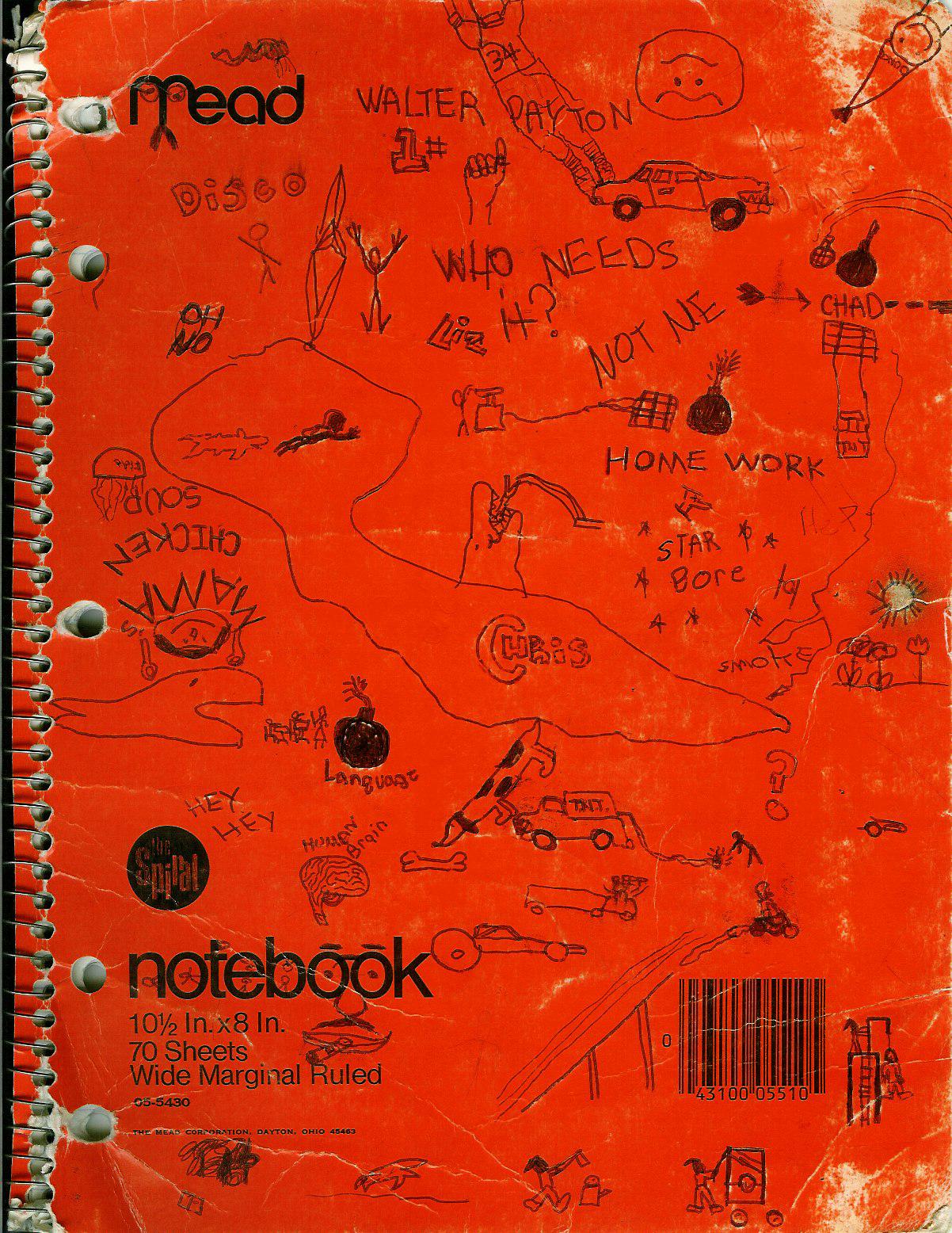
An Artist is Reborn
After the tumultuous decade of the 1970s, Chris Auman was at a crossroad. After achieving success in both the worlds of fine art and literature, many avenues were open to the young artist at the start of the new decade. His tenure as a publishing magnate also gave him a thirst to explore those avenues further.
1981-1984
Auman’s first publishing empire crashed and burned as the decade turned. By the end of 1981, he had ceased publication of his satire magazine, Crazy. Instead of resuming this financially risky venture, he went to work for others, finding employment as a cartoonist and later as a sportswriter and photographer. Before that, however, he had to come to terms with his failure as a short story writer.
Writer’s Block
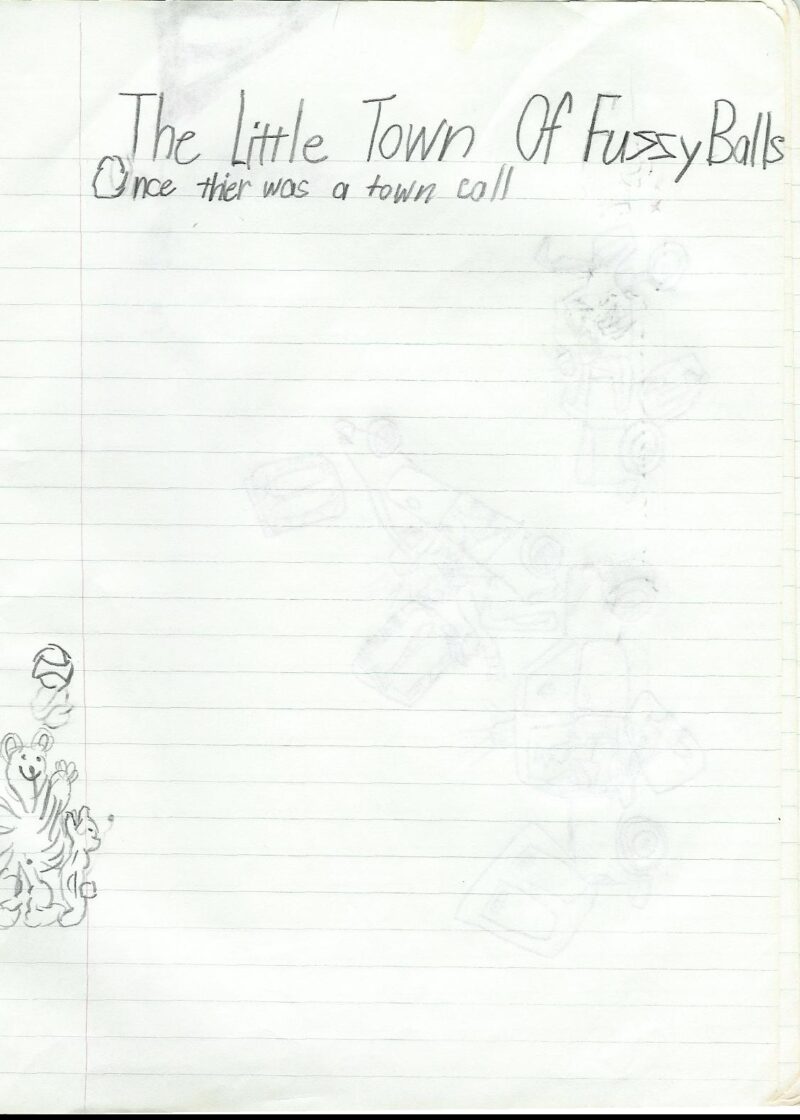
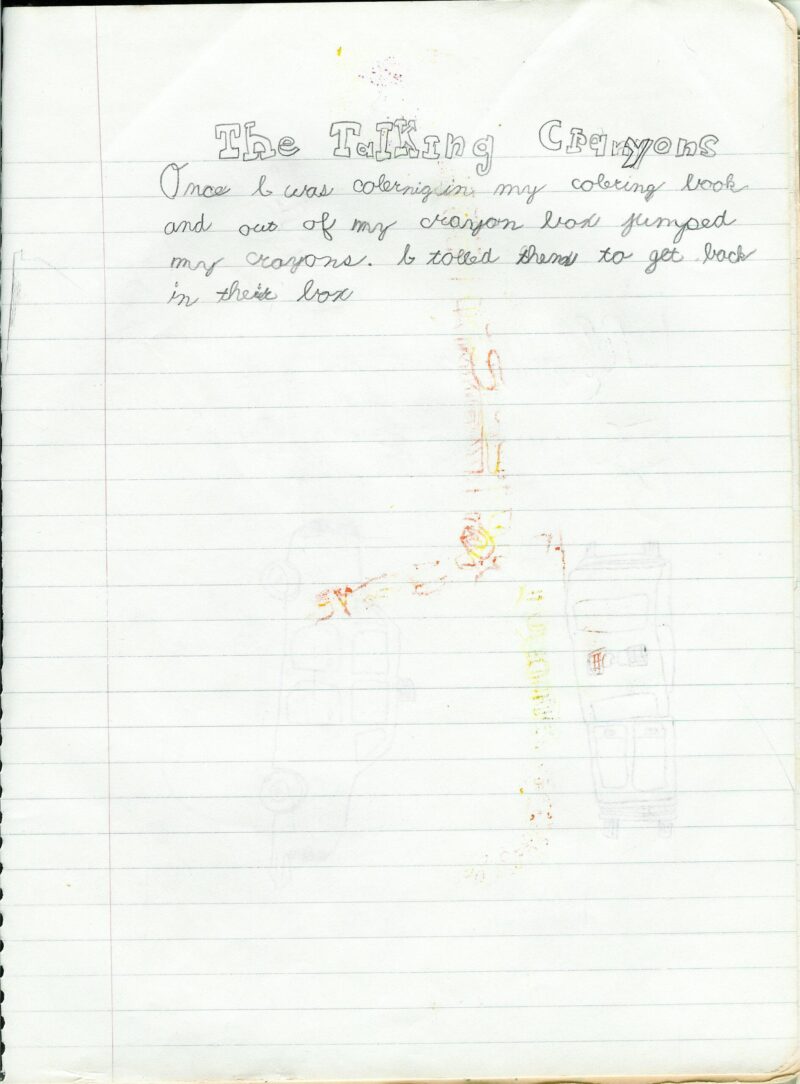
It would be a mistake to think that creativity flowed endlessly from Auman’s young mind. Like many artists, he experienced frustrating periods of creative block. That is evident in several short stories Auman started but never finished such as “The Talking Crayons” and “Little Town of Fuzzy Balls.” These promising efforts failed to develop on the page.
The Great American Novel
Auman was frustrated in his attempts to master the art of the short story. Instead of giving up writing, however, he changed tactics with the attempt of several novels in the early 1980s.
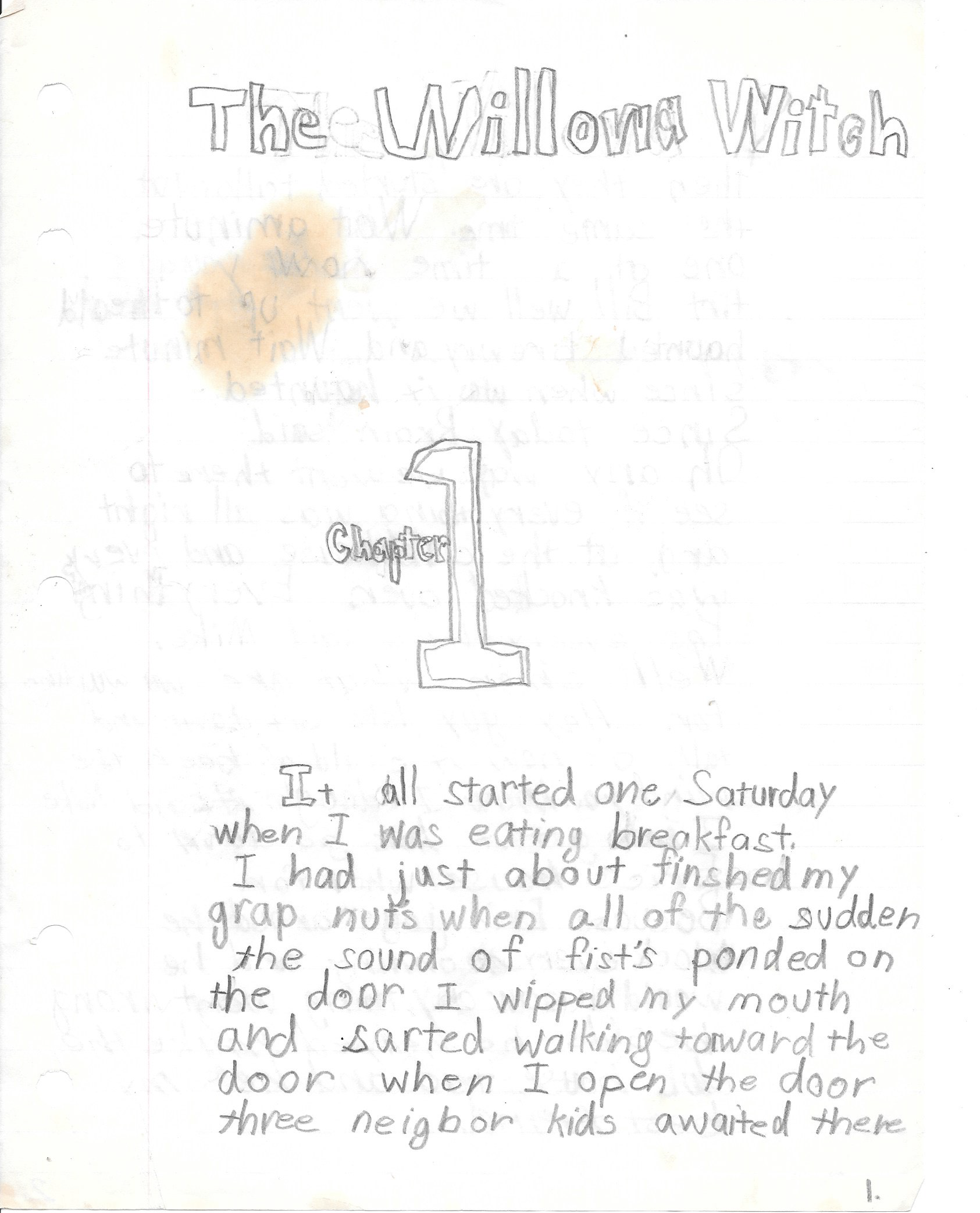
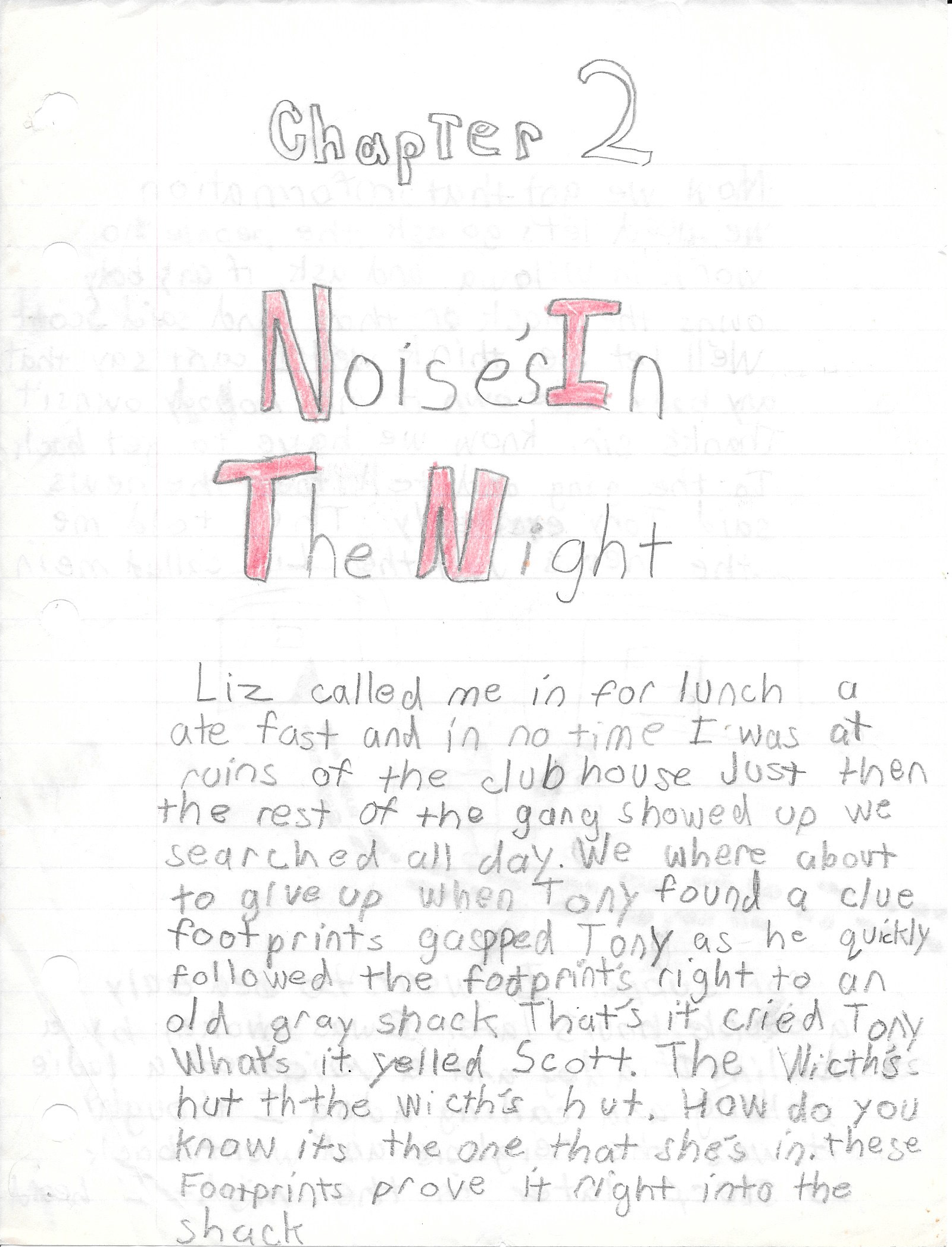
The Willowa Witch
Part mystery, part thriller, The Willowa Witch explored themes of annoying neighbors, ruined clubhouses, and bossy big sisters.
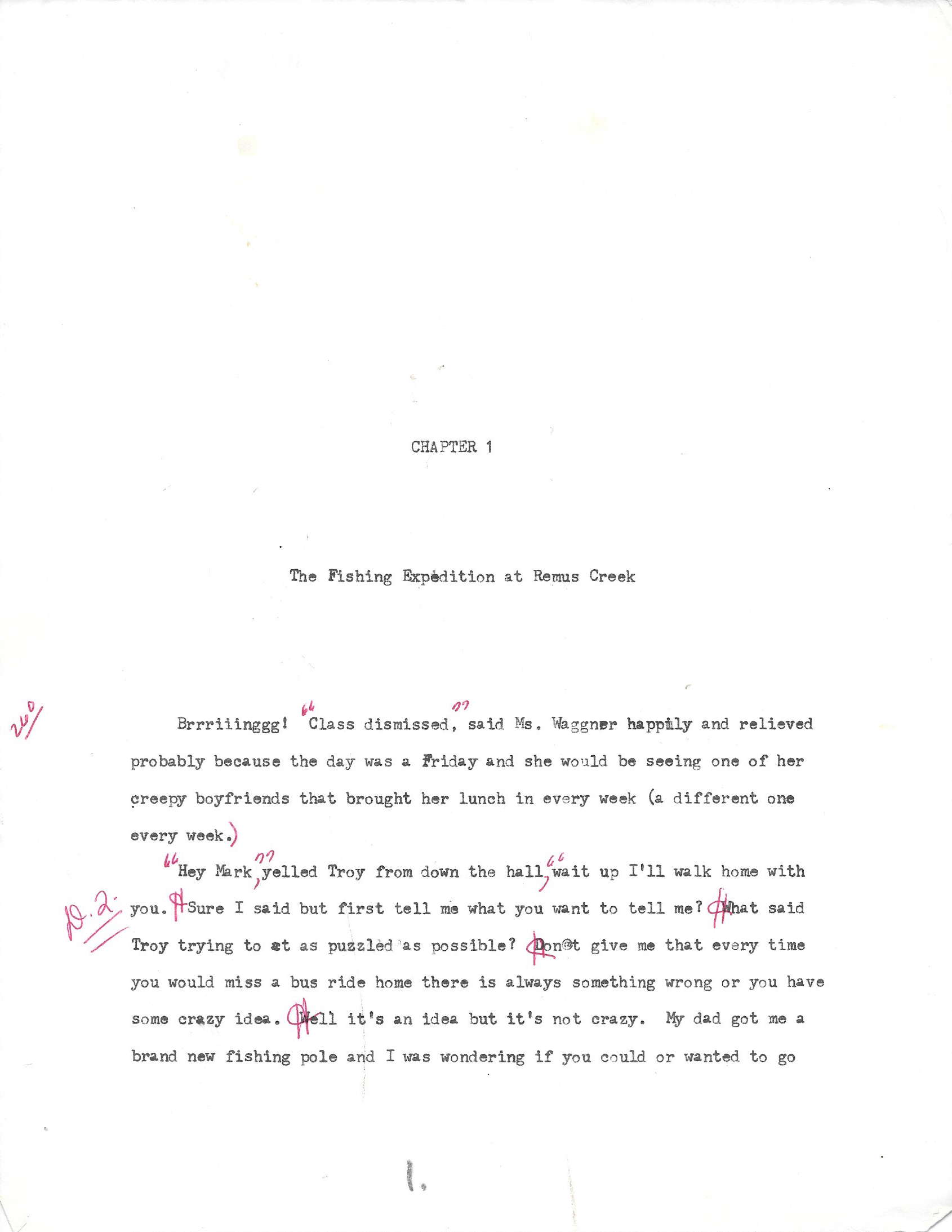
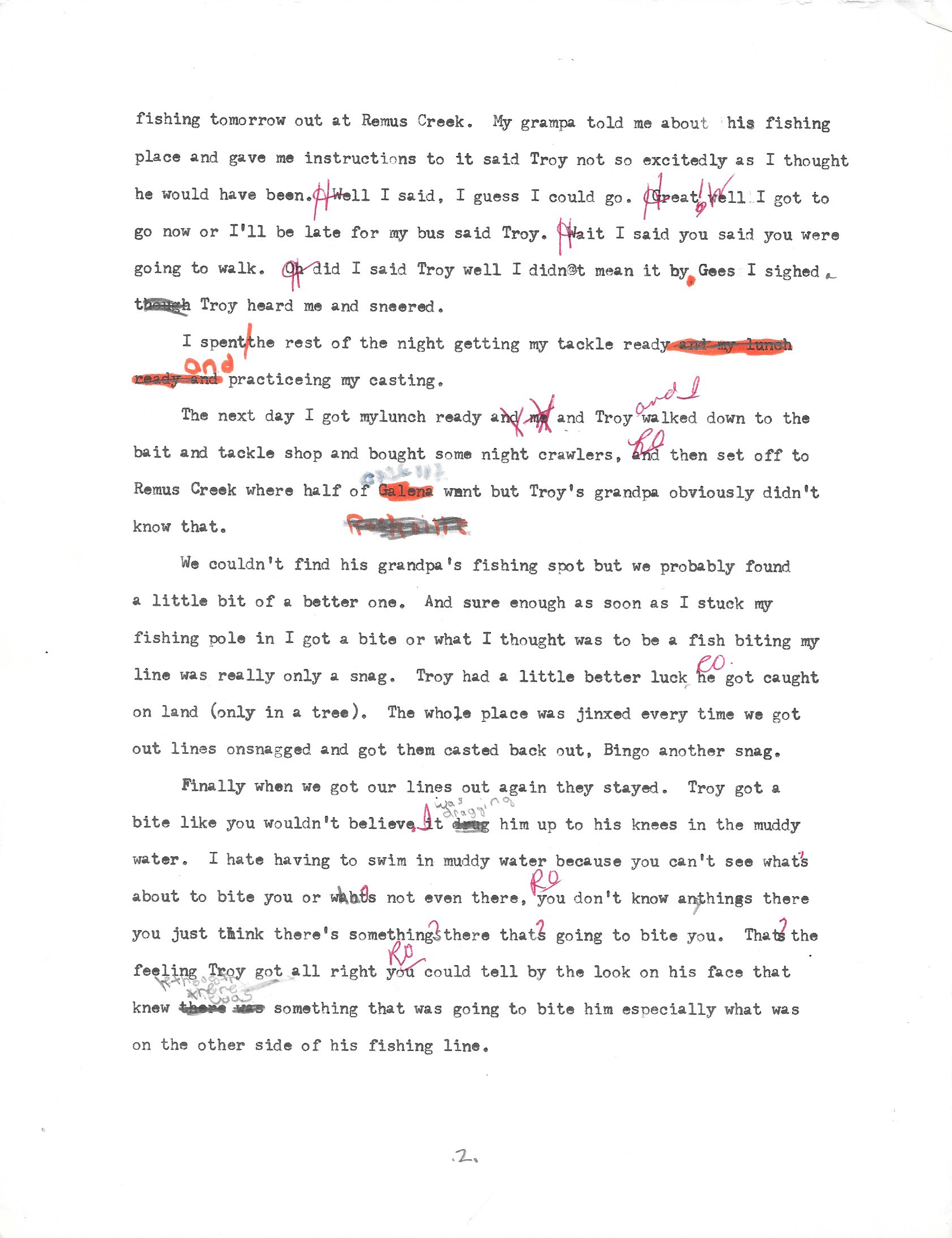
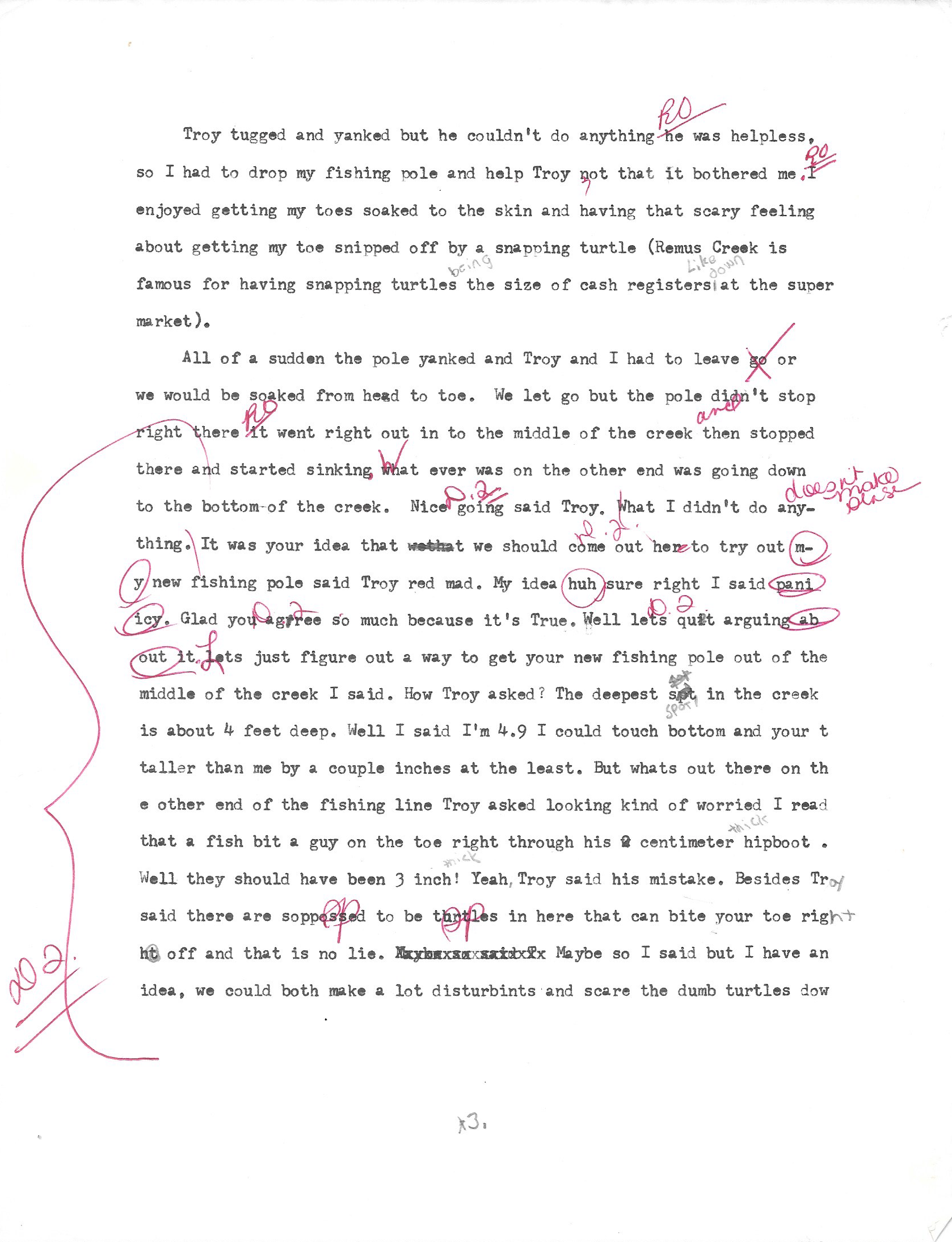
Fishing at Remus Creek
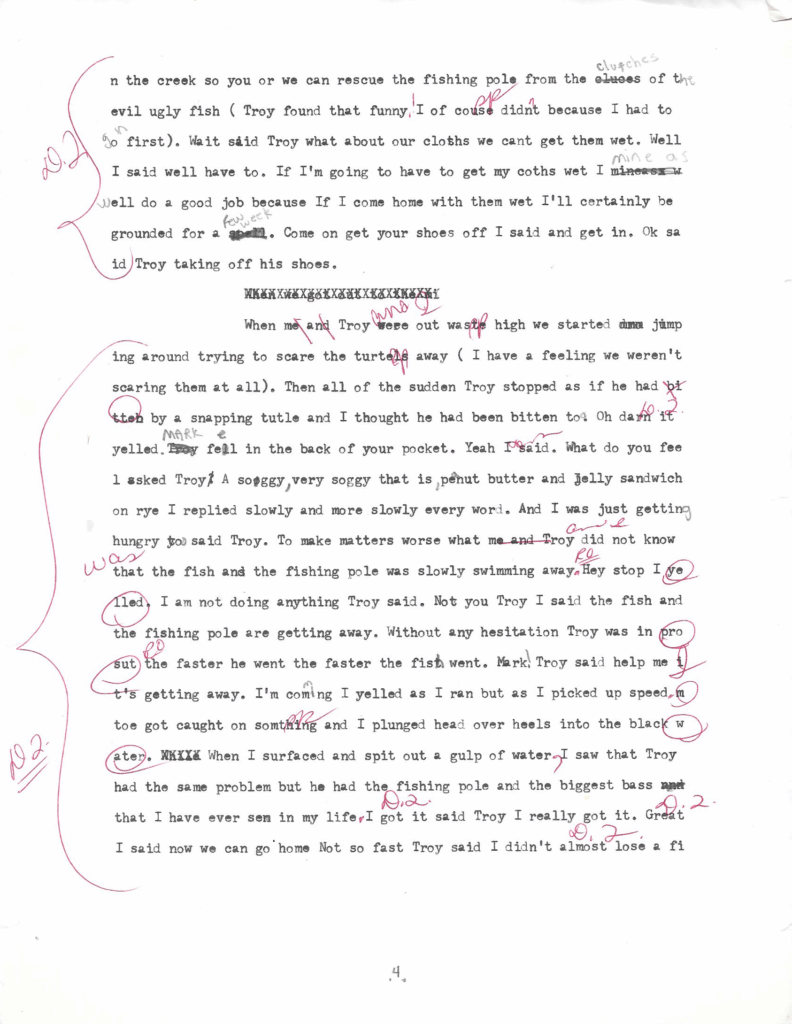
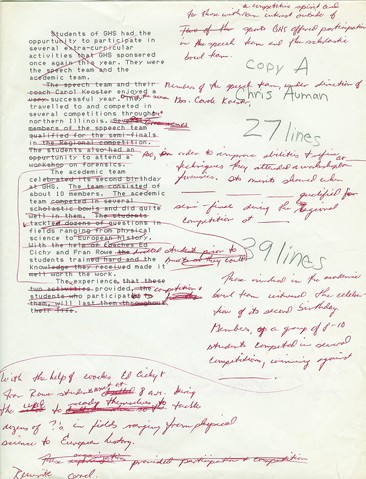
Auman was plagued by ruthless editors throughout his career. Their violent red pens tore at his flesh and stained his precious pages.
Chris Auman, Cartoonist
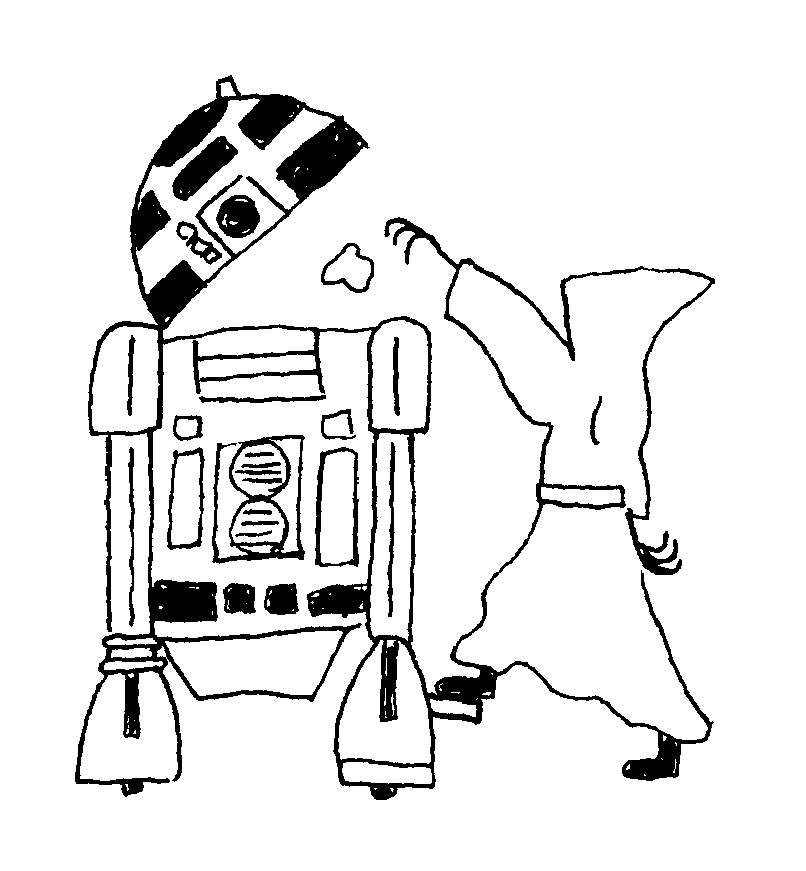
In the mid-1980s Auman embarked on a new career as a cartoonist for his middle school newspaper. He would compete for space with two other cartoonists as well as the Art Department Editor.
Fighting to get his work published, Auman developed a professional rivalry that would last for years.
As a member of The Treasure Chest Art Department, Auman used what he learned from the satirical magazine trade to create humorous work.
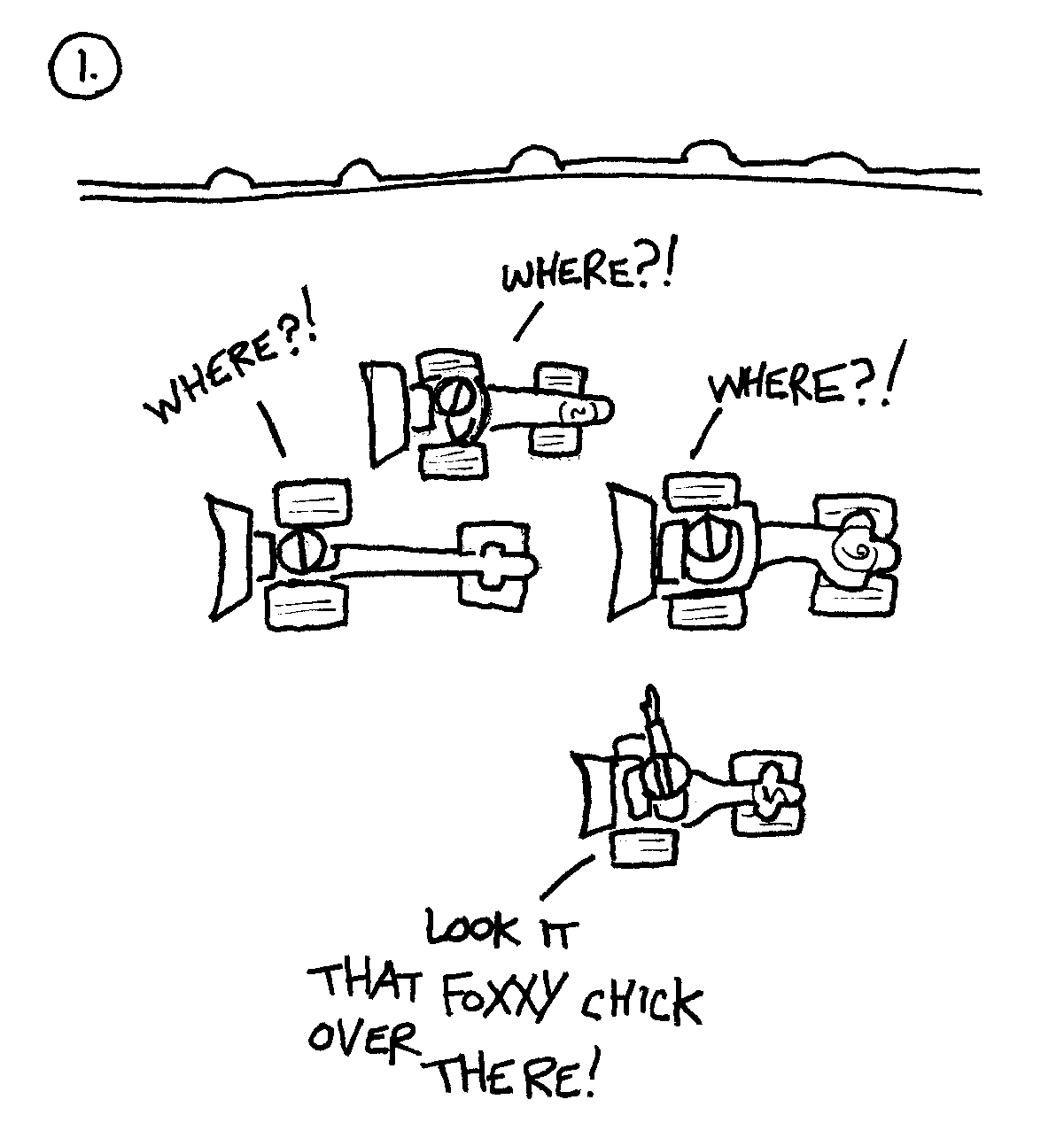
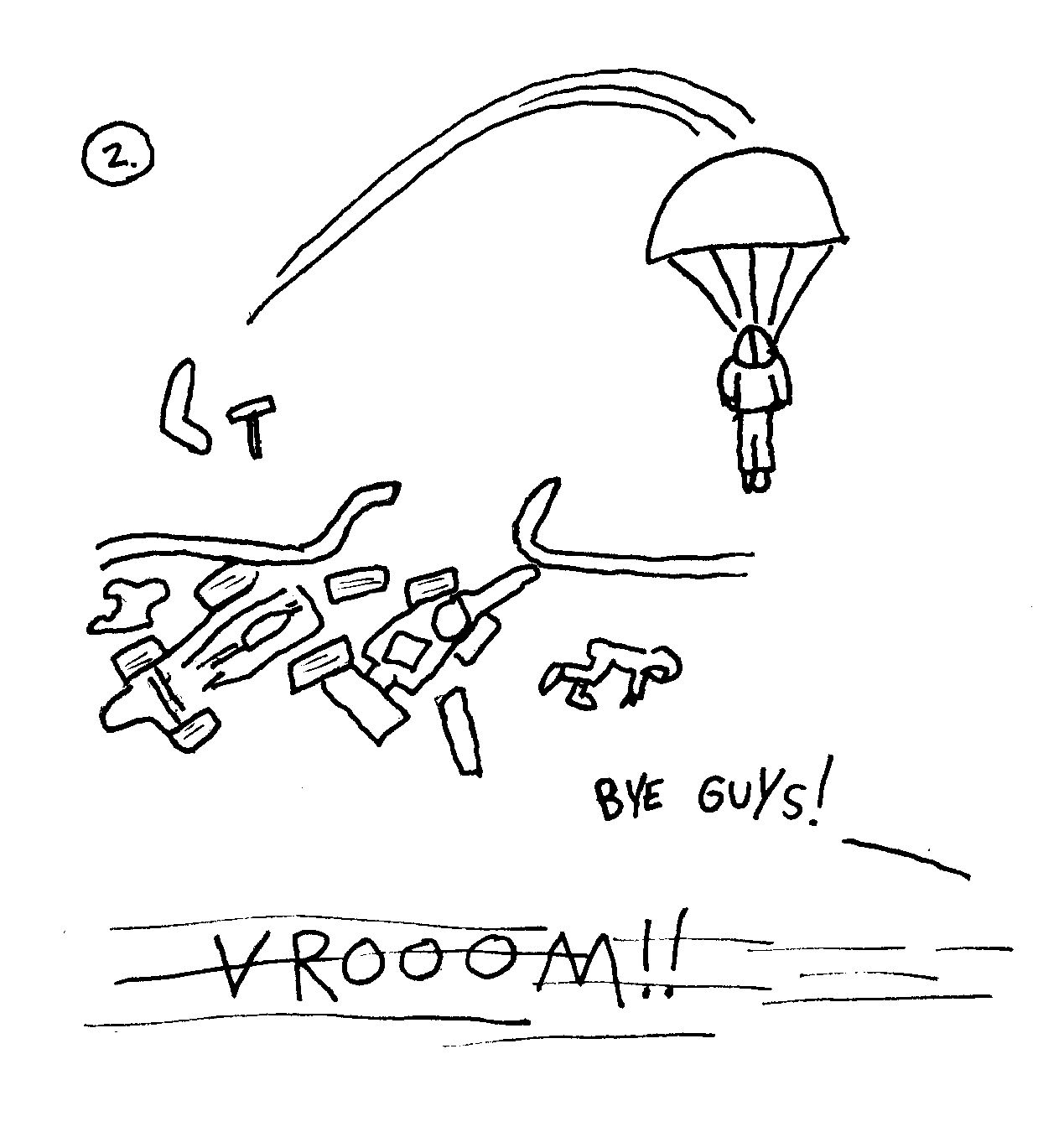
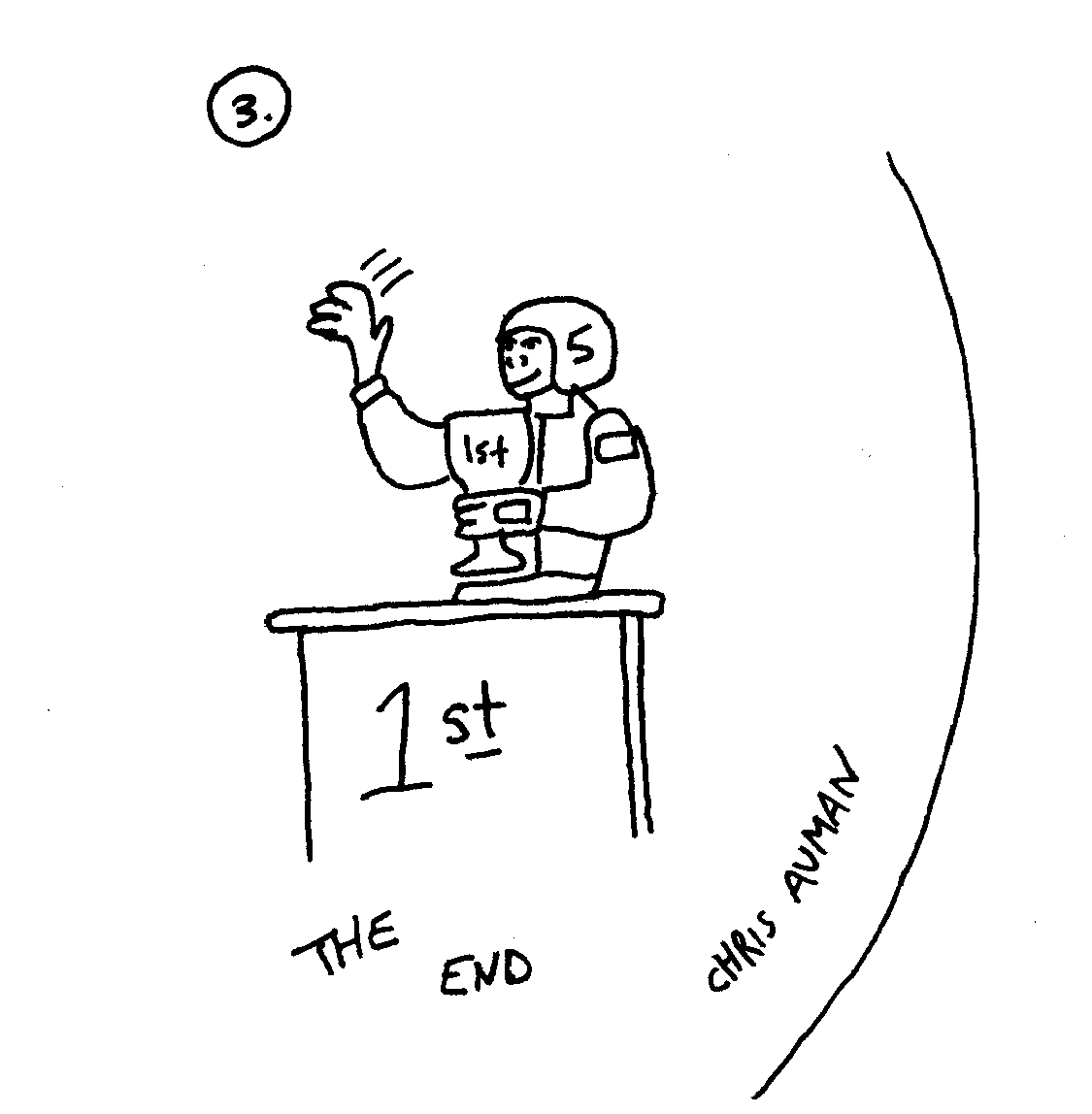
A Day at the Races
Treasure Chest Vol. 1, No. 1 October 31, 1983
Perhaps this comic would have gotten the young artist canceled were it published today. In 1983, however, not so much.
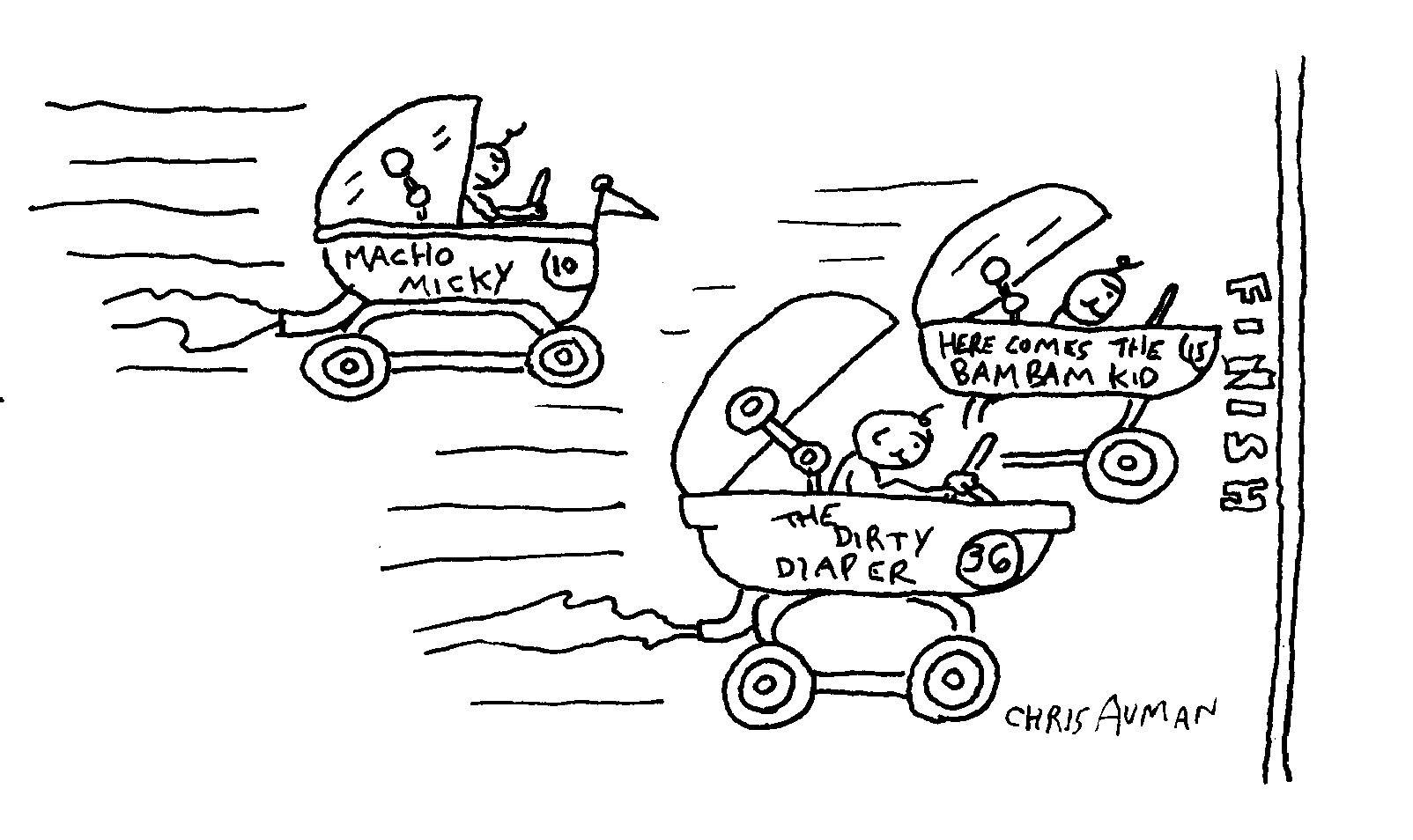
Baby Drivers
Wouldn’t it be funny if babies raced their buggies? Yes? No? Maybe a little?
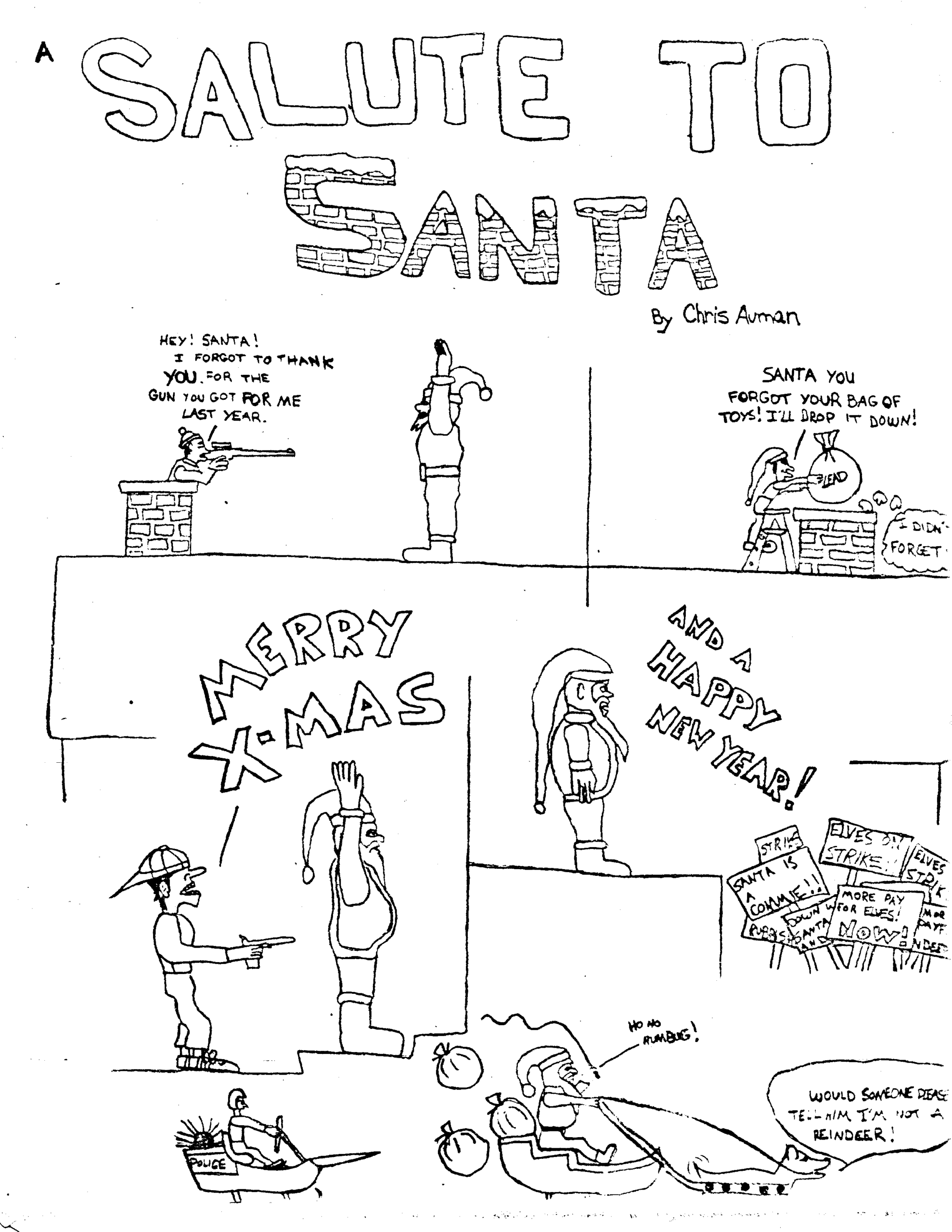
A Salute to Santa
Treasure Chest Vol. 1, No. 2 December 22, 1983
A steady diet of MAD, Cracked and Crazy magazines no doubt inspired this somewhat cynical take on old Saint Nick.
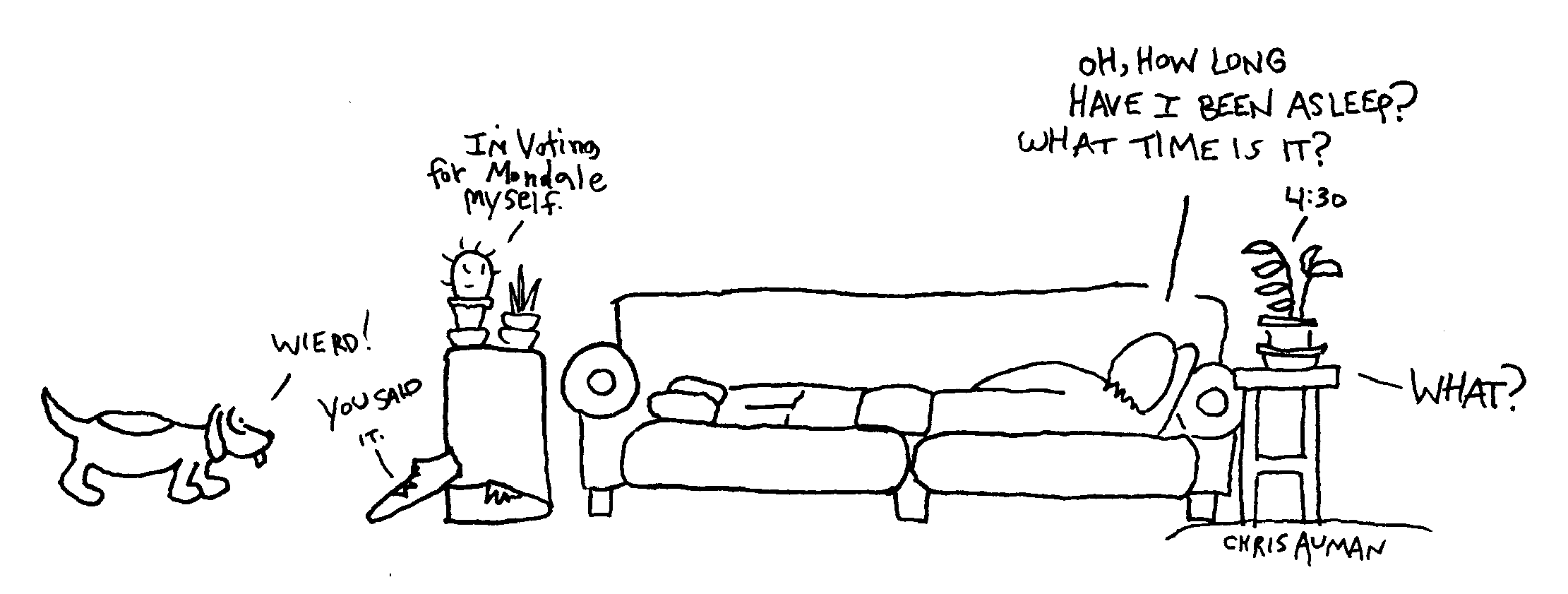
A Long Nap
Treasure Chest Vol. 1, Special Souvenir Edition May 31, 1984
Not sure what this means, but I’m sure it made sense to the 8th grade artist back in 1984.
1985-1988
Photojournalist & Sports Writer
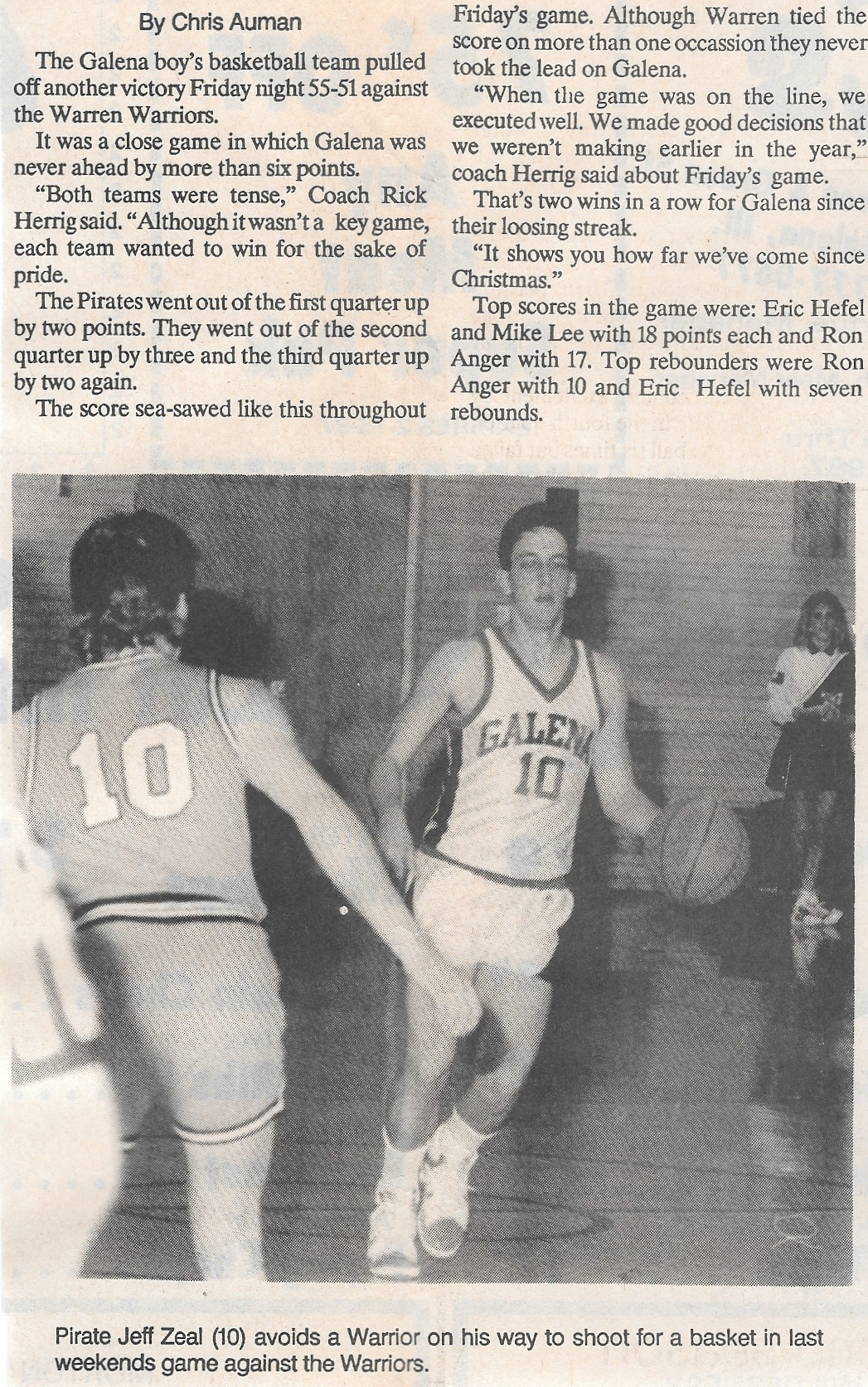
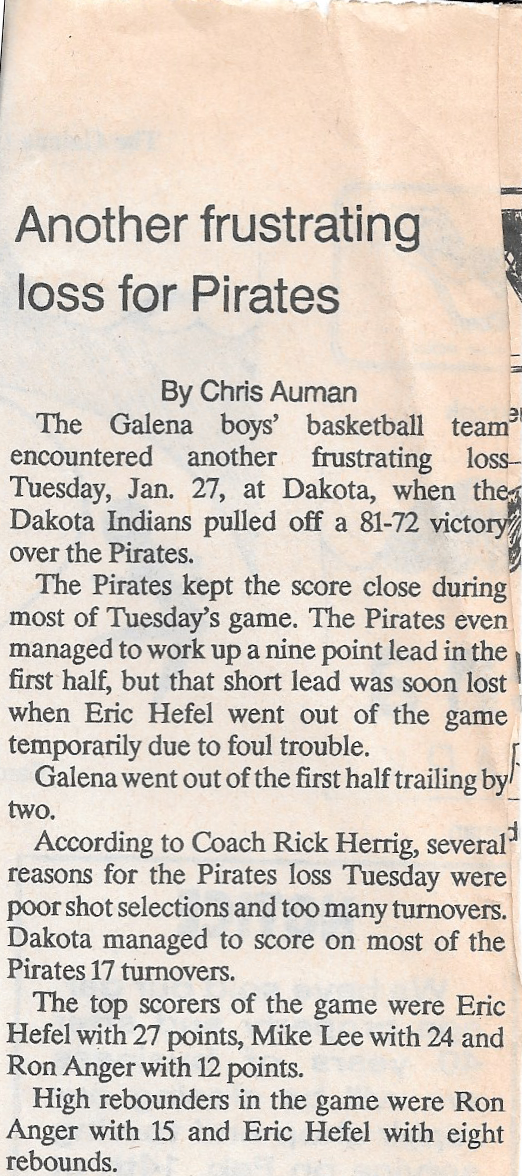
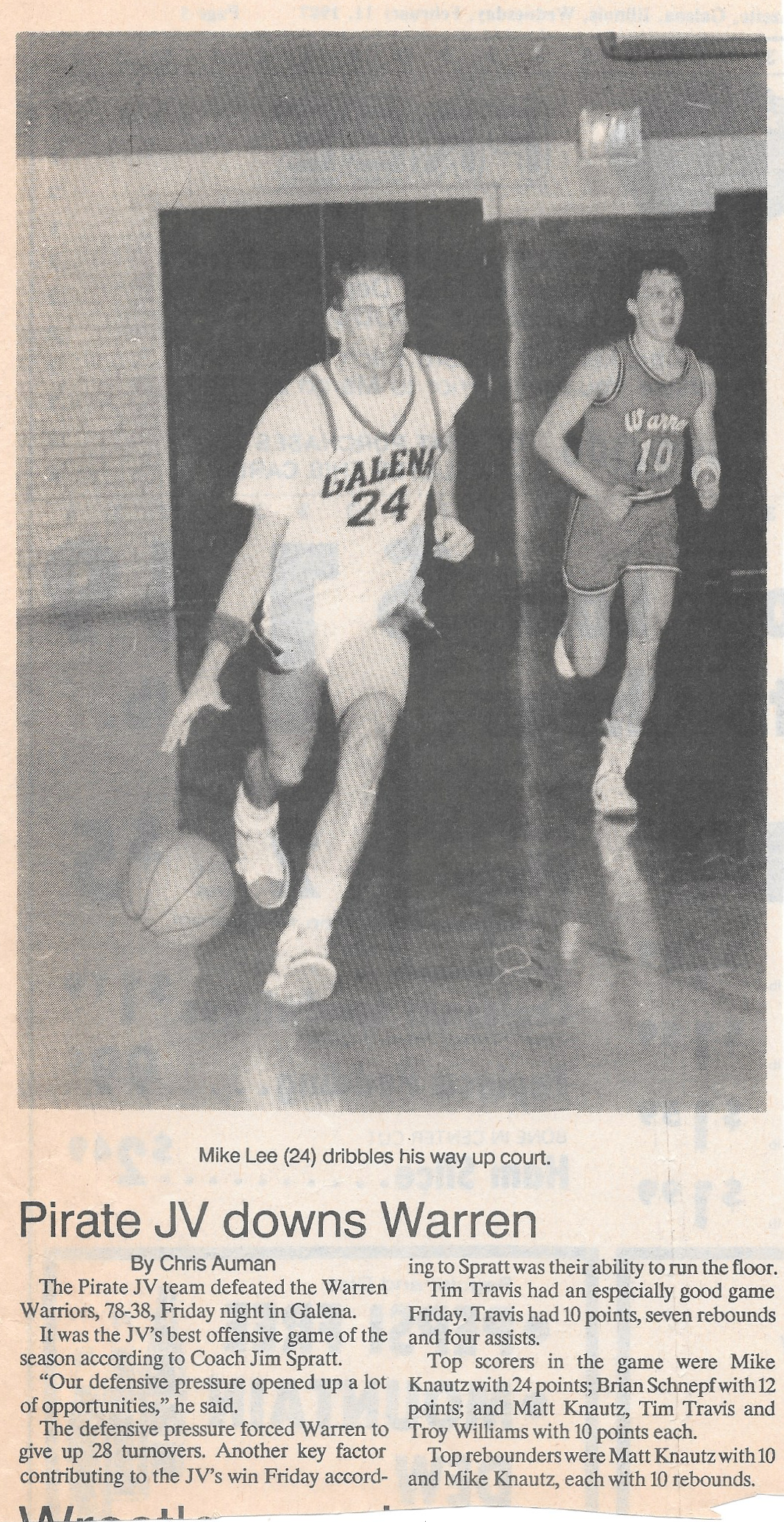
The Treasure Chest was not Auman’s first job in the newspaper business, nor would it be his last. In 1986 Auman was hired to work as a sportswriter and photographer for The Galena Gazette.
His beat was the high school varsity and junior varsity basketball teams. Armed with a 35mm camera, Auman shot the games, talked with the coach afterward, then wrote up the thrilling, white-knuckled, edge-of-your-seat print version for the weekly paper.
Bleed for Me
Jealous editors continued to plague Auman. With their red pens of fury, they tore down his paragraphs and ripped apart his sentences forcing him to make countless rewrites.
Ridiculous Fiction
After dealing with the absurd demands of teachers, editors, and yearbook advisors, by 1988, Auman had had his fill. This effort to control his creative genius led to the birth of a new genre of fiction. Ridiculous Fiction was the result of his refusal to conform to the rules schools tried to enforce on him.
Short, brilliant works such as “California Soup,” “Harvey Floorbanger,” and “The Adventures of Sweety McGorkle” burst onto the pages where they were covertly copied on the school photocopy machine and circulated around school. In the coming years, more absurd stories such as “Old Joe,” “Dinky Does His Laundry,” “Sable, The Telephone Associate,” and “The Adventures of Jim Bob and Pencilneck” would surface.
Miss a Part?
Read Portrait of the Artist as a (Very) Young Man